Obesity: Symptoms, Causes, BMI, Diagnosis, Treatment & Prevention
What is Obesity? Obesity is a chronic, treatable disease characterized by excess body fat that increases the risk of diabetes, heart disease, fatty liver, and sleep apnea. It is medically diagnosed when a person's Body Mass Index (BMI) is 30 or higher, and can often be managed successfully through lifestyle changes, medical treatment, and long-term support.

Key Takeaways
- Obesity is a chronic disease, not simply a lack of willpower, driven by metabolic, genetic, and environmental factors.
- BMI ≥30 kg/m² is generally classified as obesity, though doctors also measure waist circumference and body fat percentage.
- Early treatment reduces complications like Type 2 diabetes, cardiovascular events, and joint degradation.
- Losing just 5–10% of body weight can significantly lower blood pressure and improve blood sugar control.
- Lifestyle changes remain the foundation, often supported by modern weight-loss medications (like GLP-1s) or bariatric surgery.
Medical Disclaimer: This hub is for informational purposes only. It is not a substitute for professional medical advice, diagnosis, or treatment. Read our policy.
What Is Obesity?
Definition of Obesity
The World Health Organization (WHO) defines obesity as an abnormal or excessive fat accumulation that presents a risk to health. However, modern medicine recognizes that obesity is much more than excess weight—it is a complex, chronic metabolic disease.
Historically, obesity was often misunderstood as simply a cosmetic issue or a lack of willpower. Today, endocrinologists understand it as a condition where the body's energy regulation systems, fat storage mechanisms, and metabolic pathways have become disrupted. This disruption leads to an excess of metabolically active fat, which fundamentally alters how the body functions.
How Obesity Develops
At its core, weight gain occurs when there is a chronic energy imbalance—consuming more calories than the body expends. However, the reasons behind this imbalance are rarely simple. Obesity development is driven by a complex interplay of environmental factors (like the availability of ultra-processed foods), genetics, hormonal regulation (such as leptin and ghrelin, which control hunger), and psychological stressors.
Obesity vs. Overweight
While often used interchangeably in casual conversation, "overweight" and "obesity" represent different clinical stages of fat accumulation and metabolic risk. The transition from overweight to obesity marks a significant increase in the likelihood of developing related health complications.
| Feature | Overweight | Obesity |
|---|---|---|
| Global BMI (kg/m²) | 25.0 – 29.9 | ≥ 30.0 |
| Disease Risk | Moderate | High to Severe |
| Body Fat | Increased | Excessive & Metabolically Active |
| Primary Treatment | Lifestyle & Dietary Changes | Lifestyle, Medications ± Surgery |
Body Mass Index (BMI) Explained
Body Mass Index (BMI) is the most common screening tool used by doctors to categorize weight. It is calculated by dividing a person's weight in kilograms by the square of their height in meters. While globally a BMI of 30 or higher defines obesity, this threshold does not apply equally to all populations.
According to the ICMR and Indian consensus guidelines, people of South Asian descent tend to accumulate dangerous visceral fat at lower weights. Therefore, for Indian adults, the thresholds are stricter:
- Healthy Weight: 18.5 – 22.9 kg/m²
- Overweight: 23.0 – 24.9 kg/m²
- Obesity: ≥ 25.0 kg/m²
You can quickly check your specific category using our BMI Calculator.
It is also important to note BMI limitations. Because it only measures total weight, it cannot distinguish between muscle mass and fat. A heavily muscled athlete may have an "obese" BMI while having very low body fat, which is why doctors also look at other indicators.
Types of Body Fat: Why Location Matters
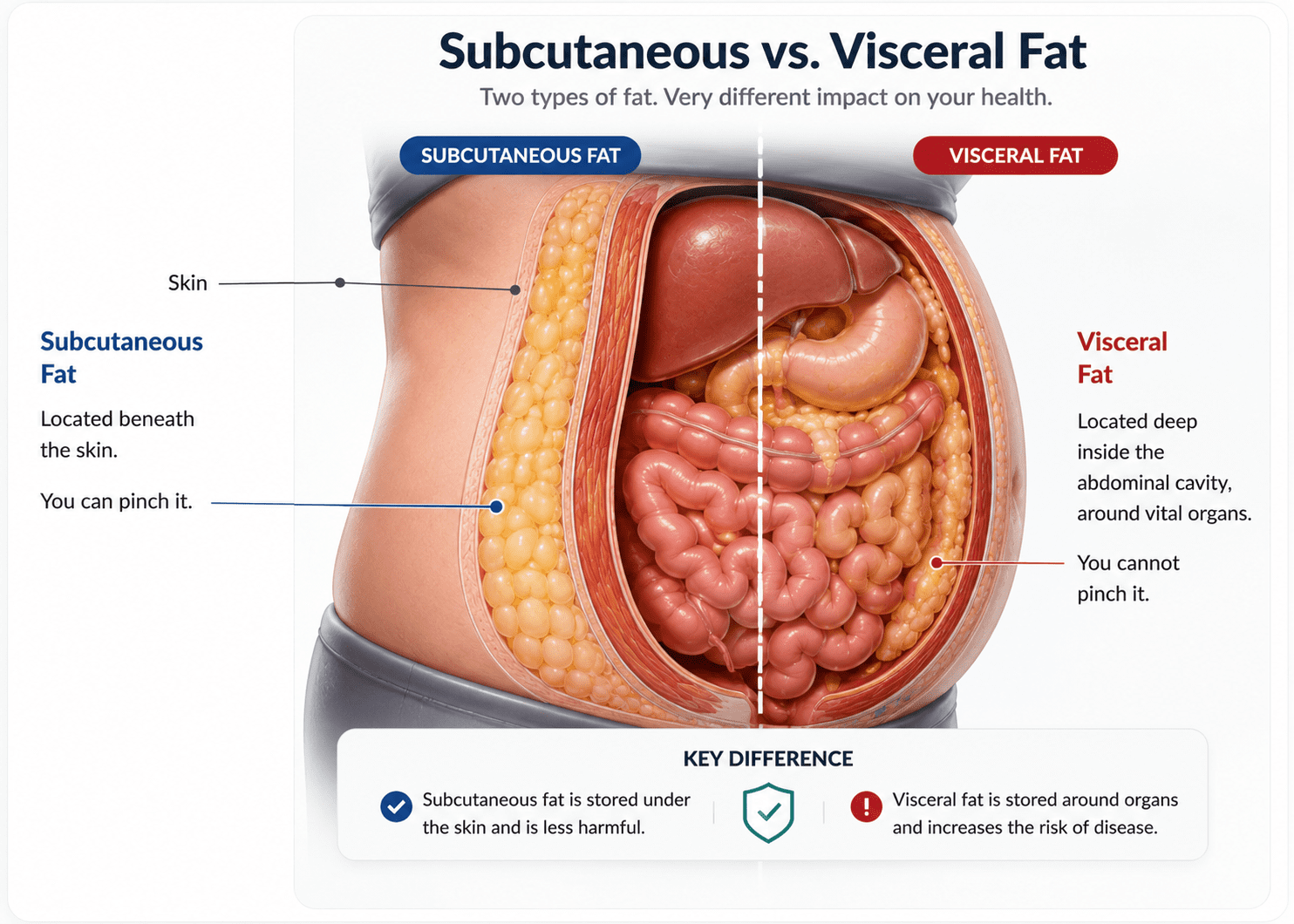
Not all body fat affects your health in the same way. The location of the fat accumulation is often more critical than the total amount of weight gained.
This is the "pinchable" fat located directly beneath the skin. While excess subcutaneous fat contributes to overall weight and joint strain, it is relatively metabolically inactive and less dangerous to your internal organs.
This fat is stored deep within the abdominal cavity, wrapping around vital organs like the liver, pancreas, and intestines. Visceral fat is highly active—releasing inflammatory chemicals and disrupting insulin, making it a primary driver of diabetes and heart disease.
How Common Is Obesity?
Obesity is a rapidly accelerating global health crisis. It is no longer a condition confined to high-income nations; it is prevalent across urban and rural demographics worldwide.
Why Obesity Is Considered a Chronic Disease
Labeling obesity as a chronic disease is not just medical semantics—it fundamentally changes how it should be treated. Like asthma or high blood pressure, obesity rarely has a "quick fix" or a permanent cure. When a person loses weight, the body undergoes metabolic adaptation, often lowering its metabolic rate and increasing hunger hormones to try and regain the lost fat.
Understanding this helps remove the stigma of "failure" when weight regain occurs. It means that managing obesity requires a long-term, sustainable treatment plan, ongoing medical support, and sometimes lifelong medication—just as one would manage any other chronic health condition.
Symptoms of Obesity
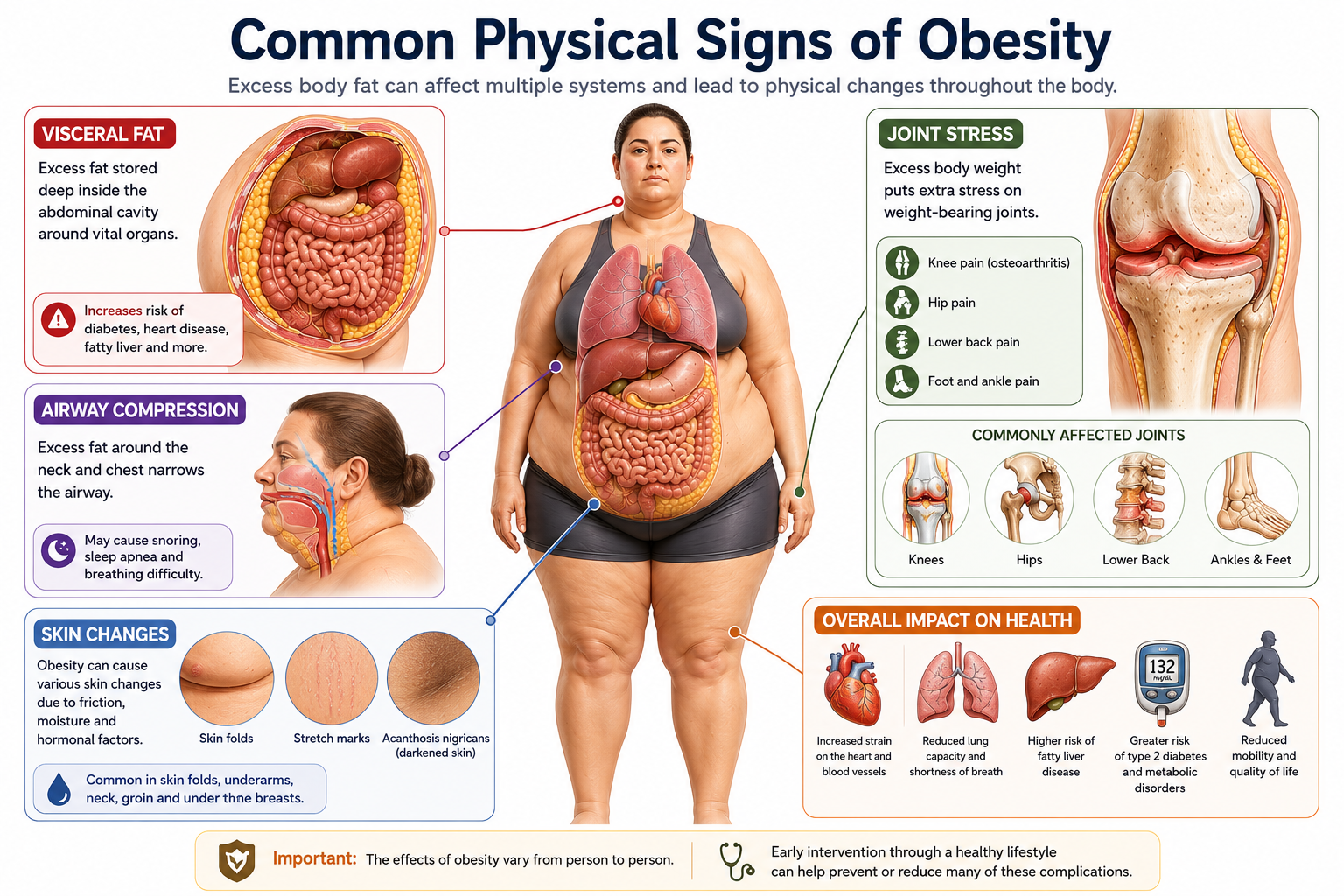
Obesity is fundamentally a systemic condition. It is much more than excess body weight—it actively alters how your body functions. The symptoms of obesity extend across multiple systems, affecting breathing mechanics, joint stability, sleep quality, hormonal balance, and overall physical and mental well-being.
Common Symptoms of Obesity
Weight Gain
Progressive accumulation of body fat, particularly visceral fat around the abdomen.
Increased Waist Size
Expanding waist circumference, indicating higher metabolic risk.
Shortness of Breath
Excess weight restricts diaphragm movement, making breathing feel labored.
Chronic Fatigue
Carrying excess weight requires significantly more daily energy expenditure.
Snoring & Sleep Issues
Fat deposits in the neck can obstruct airways, often leading to Sleep Apnea.
Joint Pain
Increased mechanical stress leads to pain in the knees, hips, and lower back.
Physical Signs
Beyond how you feel, obesity presents several measurable and visible physical signs. Your doctor will look at an increased Body Mass Index (BMI) and a large waist circumference. In India, a waist size over 90 cm for men and 80 cm for women is a clinical marker for high visceral fat.
Additionally, you may notice skin changes. The stretching of the skin can cause stretch marks (striae), and friction in deep skin folds can cause rashes or infections. A very common clinical sign is Acanthosis Nigricans—dark, velvety patches of skin around the neck or armpits, which is a direct physical symptom of underlying insulin resistance.
Symptoms That Affect Daily Life
Obesity profoundly impacts functional mobility. Everyday activities such as walking long distances, climbing a flight of stairs, or even bending down to tie shoelaces can become exhausting. The combination of joint pain, breathlessness, and excessive sweating often leads to a natural, unconscious reduction in physical activity, which unfortunately creates a cycle that worsens the condition.
Emotional and Psychological Symptoms
The burden of obesity is not solely physical. The societal stigma surrounding weight, combined with physiological changes, often severely impacts mental health. Common psychological symptoms include:
- Low self-esteem and poor body image.
- Increased rates of clinical anxiety and depression.
- Social withdrawal or avoiding activities due to physical discomfort or fear of judgment.
- Emotional eating—using food as a coping mechanism for stress, which drives further weight gain.
How Symptoms Differ by Group
Symptoms in Women
- Irregular menstrual cycles
- Development of PCOS (Polycystic Ovary Syndrome)
- Fertility challenges
- Increased risks during pregnancy (e.g., gestational diabetes)
Symptoms in Men
- Lowered testosterone levels
- Reduced fertility or low sperm count
- Severe snoring and Sleep Apnea
- Erectile dysfunction
Symptoms in Children
- Weight gain disproportionate to height growth
- Early onset of puberty
- Joint discomfort and reluctance to play
- Psychological stress, including anxiety from bullying
When Symptoms Become Dangerous
Obesity increases the risk of acute medical events. Seek immediate emergency care if you experience:
- Severe chest pain or pressure
- Sudden, severe shortness of breath
- Fainting or sudden loss of consciousness
- Very high blood sugar readings with confusion or nausea
- Sudden vision changes or weakness on one side of the body
When to See a Doctor
You do not need to wait for a medical emergency to seek help. Schedule a consultation with a specialist if:
- Your BMI is 30 or higher (or 25+ for Asian Indians).
- You have difficulty losing weight despite genuine lifestyle changes.
- Your weight is preventing you from doing daily activities.
- You notice signs of Diabetes (excessive thirst, frequent urination) or heart strain.
Health Complications of Obesity
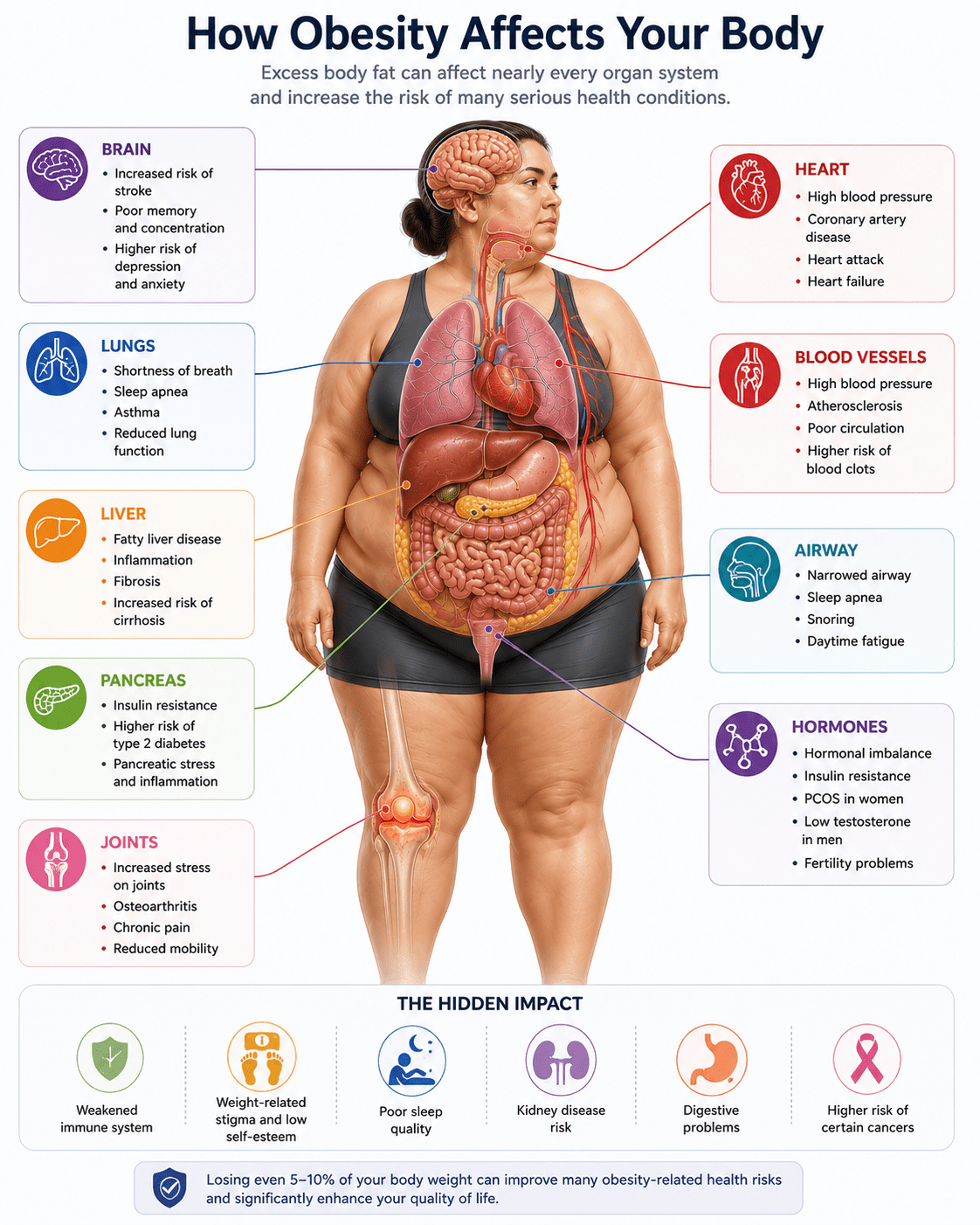
Obesity is a systemic condition that affects nearly every organ system in the body. While not every individual with obesity will develop every complication, the risk for chronic diseases rises significantly with excess fat, particularly visceral fat—the fat stored deep within the abdominal cavity around vital organs.
Type 2 Diabetes
Excess visceral fat increases the body's resistance to insulin, the hormone responsible for regulating blood sugar. Over time, the pancreas struggles to keep up with this demand, eventually leading to high blood sugar and Type 2 Diabetes.
Heart Disease & Hypertension
Obesity increases the workload of the heart. Excess weight is strongly linked to High Blood Pressure, which damages artery walls over time, significantly raising the risk of coronary artery disease, heart attack, and heart failure. Managing weight helps reduce this cardiovascular strain.
Fatty Liver Disease
Excess fat buildup in the liver, known as Non-Alcoholic Fatty Liver Disease (NAFLD), is highly prevalent in obesity. If left unmanaged, this can progress to non-alcoholic steatohepatitis (NASH), liver fibrosis, or even cirrhosis. Learn more at our Fatty Liver Disease hub.
Other Complications
The reach of obesity complications is vast:
- Sleep Apnea: Airway narrowing due to neck fat leads to disrupted breathing and extreme daytime fatigue.
- Osteoarthritis: Mechanical overload on the knees, hips, and spine accelerates joint cartilage wear.
- GERD: Increased abdominal pressure pushes stomach acid into the esophagus.
- PCOS & Infertility: Hormonal imbalances and insulin resistance frequently disrupt reproductive health in both men and women.
- Mental Health: Higher rates of Depression and Anxiety are observed, often exacerbated by the stigma of obesity.
Obesity and Cancer Risk
Research has established a clear link between obesity and an increased risk of certain cancers, including colon, breast, endometrial, kidney, and liver cancers. Obesity is one of several influential risk factors; focusing on healthy lifestyle markers and regular screening is the most effective approach to risk reduction.
| Complication | Common | Serious | Preventable |
|---|---|---|---|
| Diabetes | ✓ | ✓ | ✓ |
| Fatty Liver | ✓ | ✓ | ✓ |
| Sleep Apnea | ✓ | ✓ | ✓ |
| Heart Disease | ✓ | ✓ | |
| Stroke | ✓ | ✓ | |
| Osteoarthritis | ✓ | Partly |
The good news is that many obesity-related complications can be prevented, delayed, or improved with appropriate treatment and sustainable lifestyle changes.
Explore Treatment Options →Treatment for Obesity
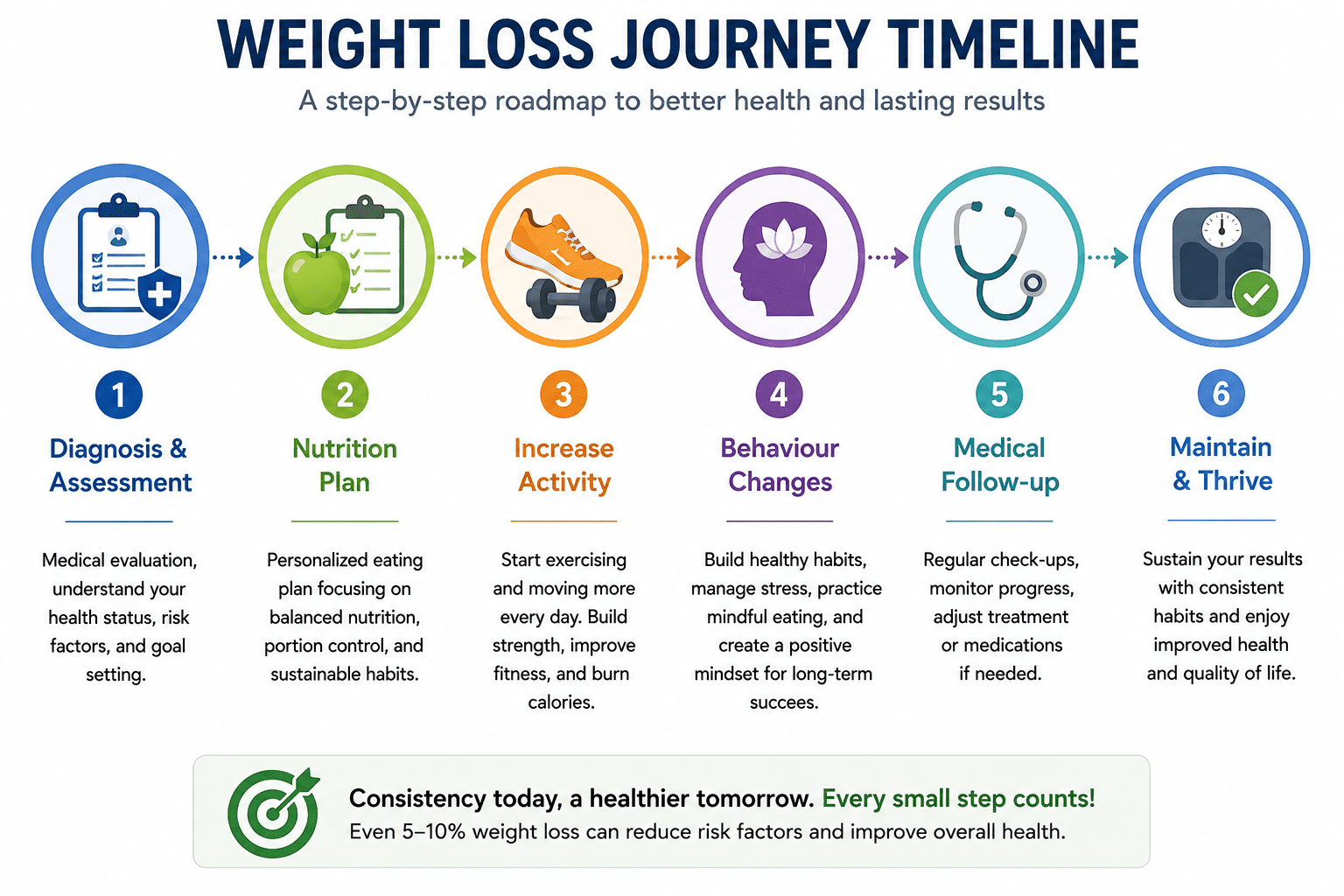
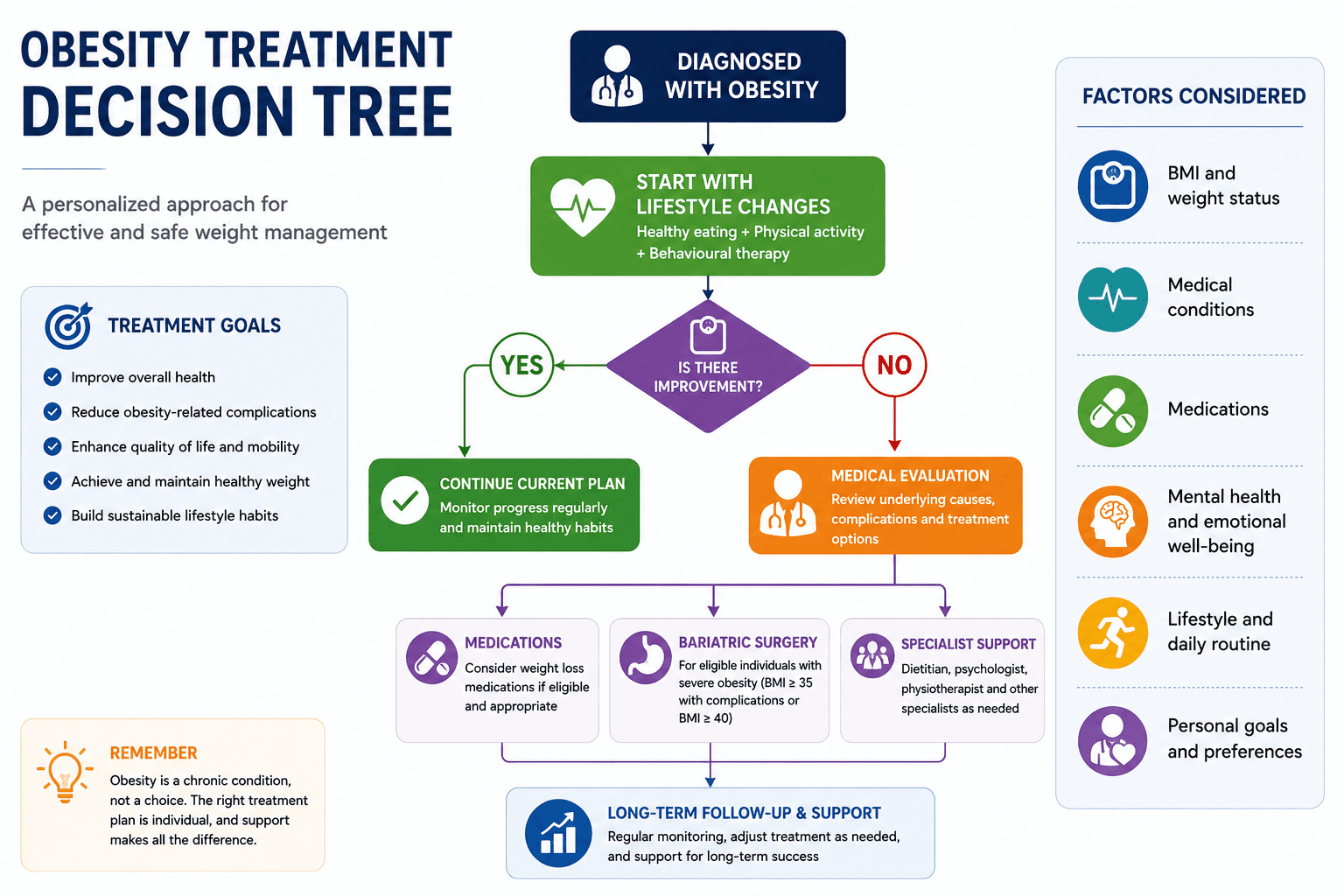
Obesity treatment is highly personalized. It is rarely a "one-size-fits-all" approach but rather a tiered strategy that may involve lifestyle interventions, behavioral therapy, specialized medical nutrition, medications, or in some cases, bariatric surgery. The primary goal is not just weight loss, but the improvement of metabolic health, mobility, and overall quality of life.
Treatment Goals: The 5–10% Milestone
Successful management is defined by sustainability, not speed. Clinical research consistently shows that a weight reduction of just 5–10% of your body weight can provide significant health benefits, including improved blood pressure, better blood sugar control, and lower cholesterol levels. This is a realistic, achievable first milestone for many individuals.

The Foundation: Nutrition & Physical Activity
Sustainable weight management begins with the synergy of nutrition and activity.


Focus on a balanced nutritional plan that includes high fiber, lean protein, and whole grains while minimizing ultra-processed foods. For physical activity, the WHO recommends at least 150–300 minutes of moderate-intensity aerobic activity per week, complemented by strength training to maintain muscle mass.
Behavioural Therapy
Obesity treatment often requires addressing the psychological relationship with food. Habit formation, mindful eating, and Cognitive Behavioural Therapy (CBT) are powerful tools for managing the emotional triggers associated with eating, helping patients set achievable goals and navigate stress without turning to food.
Obesity Medications
For individuals who have not achieved sufficient weight loss through lifestyle changes alone, medications may be an option. Newer classes, such as GLP-1 receptor agonists, work by mimicking hormones that regulate appetite and fullness. Medications must always be taken under medical supervision to monitor for side effects and ensure individualized dosing.
Bariatric Surgery
Bariatric procedures (such as Sleeve Gastrectomy or Gastric Bypass) are often considered for individuals with severe obesity, particularly when accompanied by complications like Diabetes. Surgery is not a passive fix; it is a metabolic intervention that requires a commitment to lifelong nutritional follow-up.
Treatment Comparison
| Treatment | Best For | Considerations |
|---|---|---|
| Healthy Eating | Most individuals | Requires consistency |
| Physical Activity | Most individuals | Start gradually |
| Medications | Selected candidates | Medical supervision required |
| Bariatric Surgery | Severe obesity | Requires lifelong follow-up |
Multidisciplinary Care
Obesity management is a team sport. A comprehensive team typically includes a primary care physician, an Endocrinologist, a dietitian, a physiotherapist, and a psychologist to ensure all aspects of the disease are addressed.
Successful obesity treatment is not about finding a quick fix. A combination of healthy habits, medical guidance, and long-term support can significantly improve your health and quality of life.
Find a Specialist Near You →