Condition Hub

Obesity: Symptoms, Causes, BMI, Diagnosis, Treatment & Prevention

What is Obesity? Obesity is a chronic, treatable disease characterized by excess body fat that increases the risk of diabetes, heart disease, fatty liver, and sleep apnea. It is medically diagnosed when a person's Body Mass Index (BMI) is 30 or higher, and can often be managed successfully through lifestyle changes, medical treatment, and long-term support.

Medical overview of obesity, symptoms, and BMI classification
ICD-10 Code: E66
Specialty: Endocrinology, Bariatrics
Associated With: Diabetes, Fatty Liver, Hypertension
1B+ Affected Worldwide
≥30 BMI Clinical Threshold
5–10% Weight Loss Health Benefit

Key Takeaways

  • Obesity is a chronic disease, not simply a lack of willpower, driven by metabolic, genetic, and environmental factors.
  • BMI ≥30 kg/m² is generally classified as obesity, though doctors also measure waist circumference and body fat percentage.
  • Early treatment reduces complications like Type 2 diabetes, cardiovascular events, and joint degradation.
  • Losing just 5–10% of body weight can significantly lower blood pressure and improve blood sugar control.
  • Lifestyle changes remain the foundation, often supported by modern weight-loss medications (like GLP-1s) or bariatric surgery.
GR
Medically Reviewed by Dr. Gouthaman R, MBBS, MD Clinical Reviewer
NN
Written by Dr. N. O. Nellaiyapen, PhD Scientific Writer
Information Freshness Updated: July 2026 Reviewed: July 2026

Medical Disclaimer: This hub is for informational purposes only. It is not a substitute for professional medical advice, diagnosis, or treatment. Read our policy.

Obesity at a Glance

A quick clinical snapshot of classification, progression, related risks, and helpful tools to start your management journey.

Disease Profile

Category Chronic Metabolic Disease
ICD-10 Code E66
Body System Metabolic & Endocrine
Medical Specialty Endocrinology, Bariatrics
Preventable? Yes
Treatable? Yes (Manageable)

Clinical Classification (Adult BMI)

Healthy Weight
Overweight
Obesity

Progression Path

Chronic Energy Surplus
Excess Adipose (Fat) Tissue
Metabolic Disruption
Systemic Complication Risk

Associated Risks & Complications

Untreated obesity significantly increases the risk of these interconnected conditions.

When to Seek Immediate Care

While obesity itself is managed long-term, its complications can trigger acute events. Go to a hospital immediately if you experience:

  • Severe chest pain or pressure
  • Sudden, severe difficulty breathing
  • Extremely high blood sugar readings
  • Sudden vision changes, weakness, or fainting

What Is Obesity?

Definition of Obesity

The World Health Organization (WHO) defines obesity as an abnormal or excessive fat accumulation that presents a risk to health. However, modern medicine recognizes that obesity is much more than excess weight—it is a complex, chronic metabolic disease.

Historically, obesity was often misunderstood as simply a cosmetic issue or a lack of willpower. Today, endocrinologists understand it as a condition where the body's energy regulation systems, fat storage mechanisms, and metabolic pathways have become disrupted. This disruption leads to an excess of metabolically active fat, which fundamentally alters how the body functions.

How Obesity Develops

At its core, weight gain occurs when there is a chronic energy imbalance—consuming more calories than the body expends. However, the reasons behind this imbalance are rarely simple. Obesity development is driven by a complex interplay of environmental factors (like the availability of ultra-processed foods), genetics, hormonal regulation (such as leptin and ghrelin, which control hunger), and psychological stressors.

1 Excess Calories Dietary intake
2 Energy Imbalance Surplus created
3 Fat Storage Cellular expansion
4 Obesity Metabolic shift
5 Health Complications Systemic risk

Obesity vs. Overweight

While often used interchangeably in casual conversation, "overweight" and "obesity" represent different clinical stages of fat accumulation and metabolic risk. The transition from overweight to obesity marks a significant increase in the likelihood of developing related health complications.

Feature Overweight Obesity
Global BMI (kg/m²) 25.0 – 29.9 ≥ 30.0
Disease Risk Moderate High to Severe
Body Fat Increased Excessive & Metabolically Active
Primary Treatment Lifestyle & Dietary Changes Lifestyle, Medications ± Surgery

Body Mass Index (BMI) Explained

Body Mass Index (BMI) is the most common screening tool used by doctors to categorize weight. It is calculated by dividing a person's weight in kilograms by the square of their height in meters. While globally a BMI of 30 or higher defines obesity, this threshold does not apply equally to all populations.

What this means for you: The Asian Indian BMI Paradox

According to the ICMR and Indian consensus guidelines, people of South Asian descent tend to accumulate dangerous visceral fat at lower weights. Therefore, for Indian adults, the thresholds are stricter:

  • Healthy Weight: 18.5 – 22.9 kg/m²
  • Overweight: 23.0 – 24.9 kg/m²
  • Obesity: ≥ 25.0 kg/m²

You can quickly check your specific category using our BMI Calculator.

It is also important to note BMI limitations. Because it only measures total weight, it cannot distinguish between muscle mass and fat. A heavily muscled athlete may have an "obese" BMI while having very low body fat, which is why doctors also look at other indicators.

Types of Body Fat: Why Location Matters

Not all body fat affects your health in the same way. The location of the fat accumulation is often more critical than the total amount of weight gained.

Subcutaneous Fat

This is the "pinchable" fat located directly beneath the skin. While excess subcutaneous fat contributes to overall weight and joint strain, it is relatively metabolically inactive and less dangerous to your internal organs.

Visceral Fat

This fat is stored deep within the abdominal cavity, wrapping around vital organs like the liver, pancreas, and intestines. Visceral fat is highly active—releasing inflammatory chemicals and disrupting insulin, making it a primary driver of diabetes and heart disease.
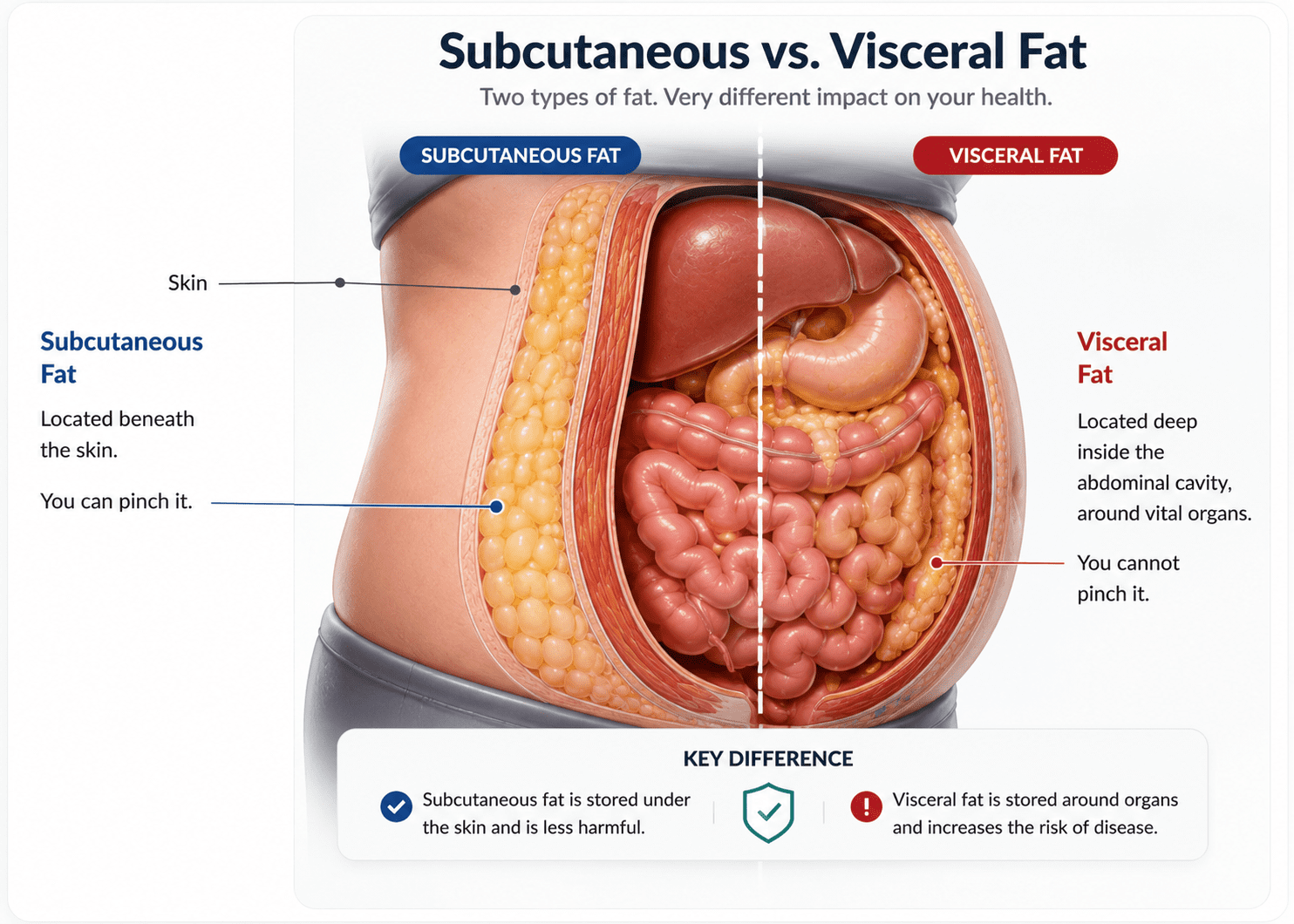
Medical illustration comparing subcutaneous fat versus metabolically active visceral fat

How Common Is Obesity?

Obesity is a rapidly accelerating global health crisis. It is no longer a condition confined to high-income nations; it is prevalent across urban and rural demographics worldwide.

1 in 8 Global Adults Live with clinical obesity globally (WHO, 2022).
~24% Women in India Are classified as overweight or obese (NFHS-5).
~23% Men in India Are classified as overweight or obese (NFHS-5).
Rising Childhood Obesity Childhood rates have grown significantly over the last decade.

Why Obesity Is Considered a Chronic Disease

Labeling obesity as a chronic disease is not just medical semantics—it fundamentally changes how it should be treated. Like asthma or high blood pressure, obesity rarely has a "quick fix" or a permanent cure. When a person loses weight, the body undergoes metabolic adaptation, often lowering its metabolic rate and increasing hunger hormones to try and regain the lost fat.

Understanding this helps remove the stigma of "failure" when weight regain occurs. It means that managing obesity requires a long-term, sustainable treatment plan, ongoing medical support, and sometimes lifelong medication—just as one would manage any other chronic health condition.

Symptoms of Obesity

Obesity is fundamentally a systemic condition. It is much more than excess body weight—it actively alters how your body functions. The symptoms of obesity extend across multiple systems, affecting breathing mechanics, joint stability, sleep quality, hormonal balance, and overall physical and mental well-being.

Common Symptoms of Obesity

Weight Gain

Progressive accumulation of body fat, particularly visceral fat around the abdomen.

Increased Waist Size

Expanding waist circumference, indicating higher metabolic risk.

Shortness of Breath

Excess weight restricts diaphragm movement, making breathing feel labored.

Chronic Fatigue

Carrying excess weight requires significantly more daily energy expenditure.

Snoring & Sleep Issues

Fat deposits in the neck can obstruct airways, often leading to Sleep Apnea.

Joint Pain

Increased mechanical stress leads to pain in the knees, hips, and lower back.

Physical Signs

Beyond how you feel, obesity presents several measurable and visible physical signs. Your doctor will look at an increased Body Mass Index (BMI) and a large waist circumference. In India, a waist size over 90 cm for men and 80 cm for women is a clinical marker for high visceral fat.

Additionally, you may notice skin changes. The stretching of the skin can cause stretch marks (striae), and friction in deep skin folds can cause rashes or infections. A very common clinical sign is Acanthosis Nigricans—dark, velvety patches of skin around the neck or armpits, which is a direct physical symptom of underlying insulin resistance.
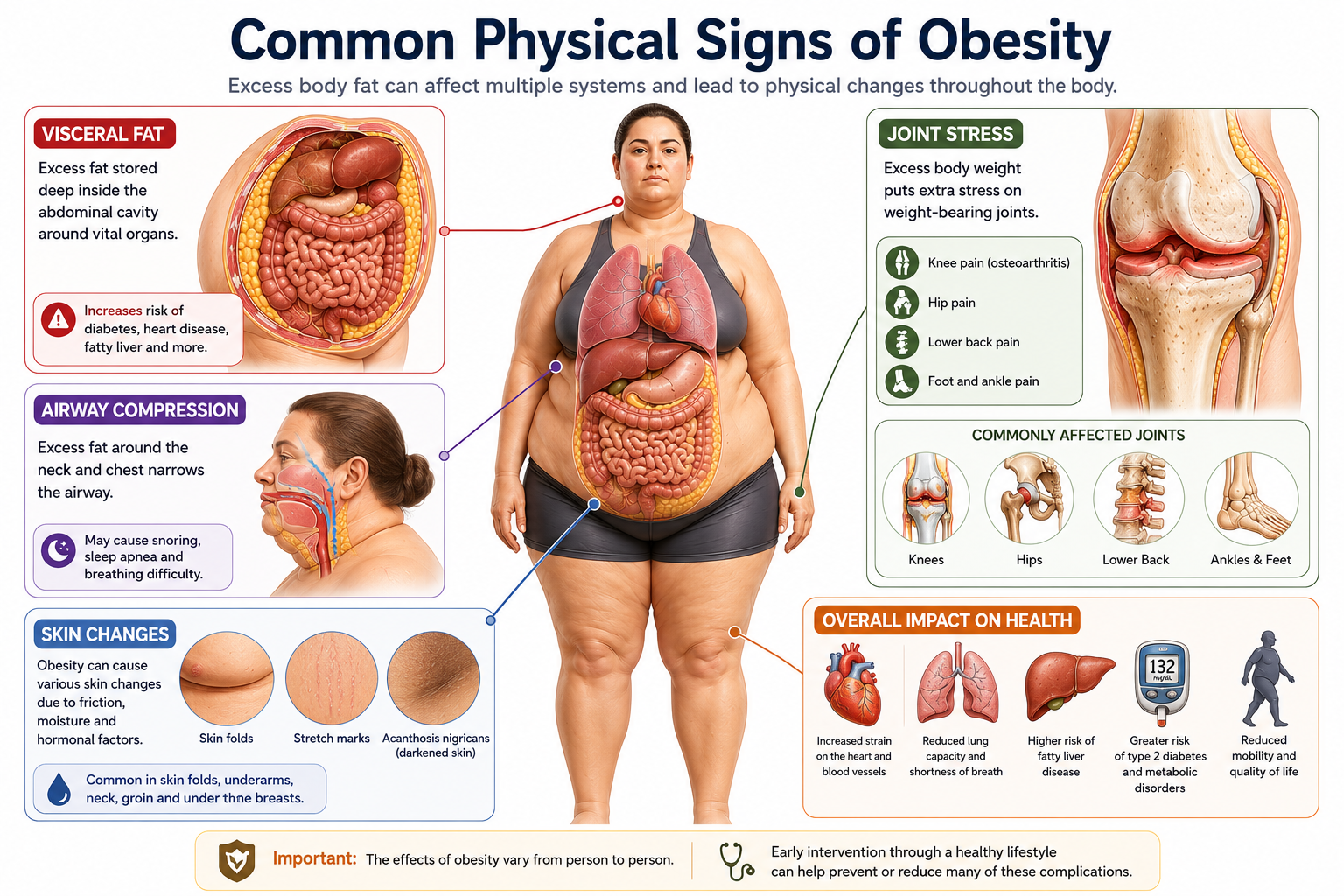
Medical illustration highlighting physical signs of obesity including joint stress, visceral fat, airway compression, and skin changes
Physical impacts of excess body fat on different bodily systems.

Symptoms That Affect Daily Life

Obesity profoundly impacts functional mobility. Everyday activities such as walking long distances, climbing a flight of stairs, or even bending down to tie shoelaces can become exhausting. The combination of joint pain, breathlessness, and excessive sweating often leads to a natural, unconscious reduction in physical activity, which unfortunately creates a cycle that worsens the condition.

Emotional and Psychological Symptoms

The burden of obesity is not solely physical. The societal stigma surrounding weight, combined with physiological changes, often severely impacts mental health. Common psychological symptoms include:

  • Low self-esteem and poor body image.
  • Increased rates of clinical anxiety and depression.
  • Social withdrawal or avoiding activities due to physical discomfort or fear of judgment.
  • Emotional eating—using food as a coping mechanism for stress, which drives further weight gain.
A Note on Mental Health: These emotional experiences are widespread, but they are not universal. Mental health challenges are a valid, recognized symptom of the disease process, not a personal failing.

How Symptoms Differ by Group

Symptoms in Women

Symptoms in Men

  • Lowered testosterone levels
  • Reduced fertility or low sperm count
  • Severe snoring and Sleep Apnea
  • Erectile dysfunction

Symptoms in Children

  • Weight gain disproportionate to height growth
  • Early onset of puberty
  • Joint discomfort and reluctance to play
  • Psychological stress, including anxiety from bullying

When Symptoms Become Dangerous

Obesity increases the risk of acute medical events. Seek immediate emergency care if you experience:

  • Severe chest pain or pressure
  • Sudden, severe shortness of breath
  • Fainting or sudden loss of consciousness
  • Very high blood sugar readings with confusion or nausea
  • Sudden vision changes or weakness on one side of the body

When to See a Doctor

You do not need to wait for a medical emergency to seek help. Schedule a consultation with a specialist if:

  • Your BMI is 30 or higher (or 25+ for Asian Indians).
  • You have difficulty losing weight despite genuine lifestyle changes.
  • Your weight is preventing you from doing daily activities.
  • You notice signs of Diabetes (excessive thirst, frequent urination) or heart strain.
Find an Obesity Specialist

What Causes Obesity?

Obesity is a complex, multifactorial chronic disease. While it is true that weight gain happens when calorie intake consistently exceeds expenditure, the factors driving this imbalance go far beyond simple willpower or "dieting." It is the result of a delicate interaction between genetics, biology, environment, mental health, and modern lifestyle habits.

Excess Calorie Intake

A diet consistently high in calories is a primary driver of obesity. Modern diets have shifted heavily toward ultra-processed foods—items designed to be hyper-palatable, calorie-dense, and nutrient-poor. High intake of sugary drinks, frequent snacking, and larger-than-standard portion sizes make it easy to consume far more energy than the body can effectively utilize.

Physical Inactivity

Modern lifestyle shifts have engineered movement out of our daily routines. Sedentary jobs, excessive screen time, and a lack of planned physical activity contribute to a low total daily energy expenditure. Even small reductions in daily movement—such as opting for an elevator over stairs—accumulate over time, making weight management significantly harder.

Genetics and Family History

Genetics play a significant role in obesity. Family history can influence how your body stores fat, how it regulates appetite, and how efficiently it burns energy. However, genetics do not determine your destiny. While a genetic predisposition may make weight management more challenging, it remains a modifiable risk that can be managed through tailored lifestyle and medical strategies.

Cause Modifiable? Key Examples
Diet ✅ Yes Ultra-processed foods, sugary drinks
Exercise ✅ Yes Sedentary jobs, lack of daily movement
Sleep ✅ Yes Poor sleep quality, irregular shifts
Stress ✅ Yes Emotional eating, cortisol spikes
Genetics ❌ No Family history, metabolic set-point
Hormones ⚠️ Partially PCOS, Hypothyroidism
Medications ⚠️ Sometimes Steroids, certain antidepressants

Hormonal Disorders

Internal hormonal imbalances can make weight maintenance extremely difficult. Disorders such as Hypothyroidism (underactive thyroid), Cushing syndrome, and PCOS can slow metabolic rate or cause the body to store fat preferentially. Insulin resistance, a precursor to Type 2 Diabetes, also disrupts fat metabolism, trapping the body in a cycle of fat storage. If you suspect hormonal issues, a Thyroid Function Test or relevant metabolic panel is a standard diagnostic step.

Medications

Certain essential medications may have weight gain as a common side effect by increasing appetite or altering metabolism. These can include certain steroids, mood stabilizers, antipsychotics, and specific medications used to manage Diabetes. If you believe your weight is linked to your prescription, never stop the medication; instead, consult your doctor about dosage adjustments or alternatives.

Sleep Problems and Chronic Stress

Poor sleep and chronic stress are "hidden" drivers of obesity. Sleep deprivation disrupts hunger hormones (increasing ghrelin, decreasing leptin), causing intense cravings for high-calorie snacks. Chronic stress elevates cortisol, a hormone that encourages the body to store visceral fat. Conditions like Sleep Apnea further exacerbate this by causing fragmented sleep, creating a physiological state of fatigue that discourages activity.

Age, Metabolism, and Life Stages

As we age, our metabolism naturally slows down, partly due to a decrease in muscle mass. Hormonal shifts during menopause in women, and age-related hormonal changes in men, can cause fat distribution to shift toward the abdomen. Pregnancy is another life stage where weight gain is necessary and normal, but retainment of this weight post-partum requires careful metabolic management.

Environmental and Social Factors

The "obesogenic environment"—a setting that promotes obesity—is a major hurdle. This includes limited access to parks or safe places to exercise, long working hours that preclude cooking healthy meals, and urban food deserts where fresh produce is harder to find than calorie-dense convenience foods. Socioeconomic factors can also dictate food quality, with ultra-processed foods often being cheaper and more accessible than fresh alternatives.

Risk Factors for Obesity

While the causes of obesity describe the mechanisms—such as energy imbalance—that lead to weight gain, risk factors identify the characteristics and circumstances that make a person more susceptible to these processes. Having one or more risk factors does not guarantee that a person will develop obesity, but it increases the statistical likelihood, helping doctors provide proactive, personalized guidance.

Family History and Genetics

Genetics is one of the strongest risk factors for obesity. Research indicates that if both parents have obesity, their children are significantly more likely to develop the condition. This is partly due to shared genes that influence appetite regulation, satiety, and energy storage. However, families often share more than just DNA; they share "obesogenic" environments, including food availability, meal portion sizes, and activity patterns.

Age, Gender, and Life Stages

The risk of obesity evolves throughout a lifespan. As we age, muscle mass naturally declines, and metabolic rates slow, making it easier to gain weight without a corresponding reduction in calorie intake. Gender-specific factors also play a major role: for women, pregnancy and the hormonal shifts associated with menopause are critical windows for weight gain. For men, reduced testosterone as they age can influence fat distribution and muscle maintenance.

Unhealthy Lifestyle Factors

Your environment and daily decisions are powerful modifiers of risk:

  • Dietary Choices: A high intake of ultra-processed foods, sugary beverages, and large portion sizes frequently disrupts the body’s hunger-signaling hormones.
  • Physical Inactivity: Sedentary desk jobs and excessive screen time lead to a calorie surplus regardless of how little one eats.
  • Poor Sleep: Consistently sleeping less than 7 hours is linked to hormonal imbalances that increase appetite and cravings for refined carbohydrates.

Medical and Psychological Risk Factors

Certain pre-existing conditions and external factors significantly heighten risk:

  • Mental Health: Chronic stress, anxiety, and depression can trigger emotional eating and disrupt the hypothalamic-pituitary-adrenal (HPA) axis, keeping cortisol levels high.
  • Medical Conditions: Conditions like PCOS, Hypothyroidism, and insulin resistance fundamentally change metabolic efficiency.
  • Medications: Several common classes of medications—including certain steroids, antidepressants, antipsychotics, and diabetes treatments—are associated with weight gain as a side effect.

Obesity Risk Assessment

Risk Factor Low Moderate High
Family History
Sedentary Lifestyle
Poor Sleep
PCOS / Hypothyroidism
Sleep Apnea

Could You Be at Increased Risk?

Check the boxes that apply to your current lifestyle:

Environmental and Social Factors

The "obesogenic environment" is an often-overlooked risk factor. Living in urban areas with few safe outdoor spaces for exercise, working long hours that make home-cooked meals difficult, and residing in "food deserts" where fresh vegetables are less accessible than caloric convenience foods all create systemic barriers to a healthy weight.

How Is Obesity Diagnosed?

Diagnosing obesity is a comprehensive clinical process. It involves far more than simply stepping on a scale. A healthcare provider uses a multi-faceted approach—combining medical history, physical examination, standardized body measurements, and, when necessary, laboratory investigations—to evaluate not only the presence of excess fat but the resulting metabolic impact on your health.

Medical History

The diagnostic process begins with a detailed conversation. Your doctor will review your medical history to identify the "why" and "how long" of your weight gain. This includes assessing your eating habits, physical activity levels, family history of weight-related conditions, and current medications—as some drugs can unintentionally cause weight gain as a side effect.

Physical Examination

During the physical exam, your doctor will record precise biometric data. This includes height, weight, waist circumference, and blood pressure. These physical markers provide a baseline for your metabolic risk and help the doctor understand your overall cardiovascular health.

Body Mass Index (BMI)

BMI is the standard screening tool used to categorize weight. It is calculated by dividing your weight in kilograms by the square of your height in meters (kg/m²).

CategoryBMI Range (kg/m²)
Underweight< 18.5
Healthy Weight18.5 – 24.9
Overweight25.0 – 29.9
Obesity Class I30.0 – 34.9
Obesity Class II35.0 – 39.9
Obesity Class III≥ 40.0

Note for Indian Patients: Because South Asian populations tend to store more visceral fat at lower weights, many Indian physicians use a threshold of ≥ 25.0 kg/m² to define obesity.

Waist Circumference & Waist-to-Height Ratio

Where you carry weight is often more clinically significant than the total number on the scale. Waist circumference measures abdominal fat, which is the primary driver of metabolic complications. Similarly, the Waist-to-Height Ratio provides a more precise look at central obesity risk, effectively indicating if your waist measurement exceeds half your height.

Body Fat Analysis

For more detailed body composition analysis, physicians may utilize various methods to determine body fat percentage.

MethodAccuracyAvailability
DEXA ScanExcellentLimited
BIA (Bioelectrical Impedance)GoodCommon
Skinfold CalipersModerateCommon
Hydrostatic WeighingExcellentRare

The Clinical Diagnostic Pathway

1 Medical History
2 Physical Exam
3 BMI & Waist
4 Blood Tests
5 Diagnosis & Plan

Laboratory Investigations

Blood tests are essential to evaluate the metabolic impact of obesity. Your doctor will likely order:

Diagnosing Complications

Diagnosis also includes screening for obesity-related conditions such as Hypertension, Sleep Apnea, PCOS, and Heart Disease. These screenings are vital for creating a comprehensive treatment plan that addresses not just the weight, but the health complications associated with it.

Can you diagnose obesity at home? While BMI calculators and tape measurements provide useful information, they cannot assess complications like insulin resistance, hormone imbalances, or underlying organ strain. Only a physician can evaluate the complete clinical picture and recommend a safe, personalized path forward.

When to Consult a Specialist

If your BMI is ≥ 25 (for Asian populations), if you have a strong family history, or if you have symptoms like persistent fatigue, joint pain, or signs of sleep apnea, you should consult an Endocrinologist or Bariatric Physician.

Health Complications of Obesity

Obesity is a systemic condition that affects nearly every organ system in the body. While not every individual with obesity will develop every complication, the risk for chronic diseases rises significantly with excess fat, particularly visceral fat—the fat stored deep within the abdominal cavity around vital organs.
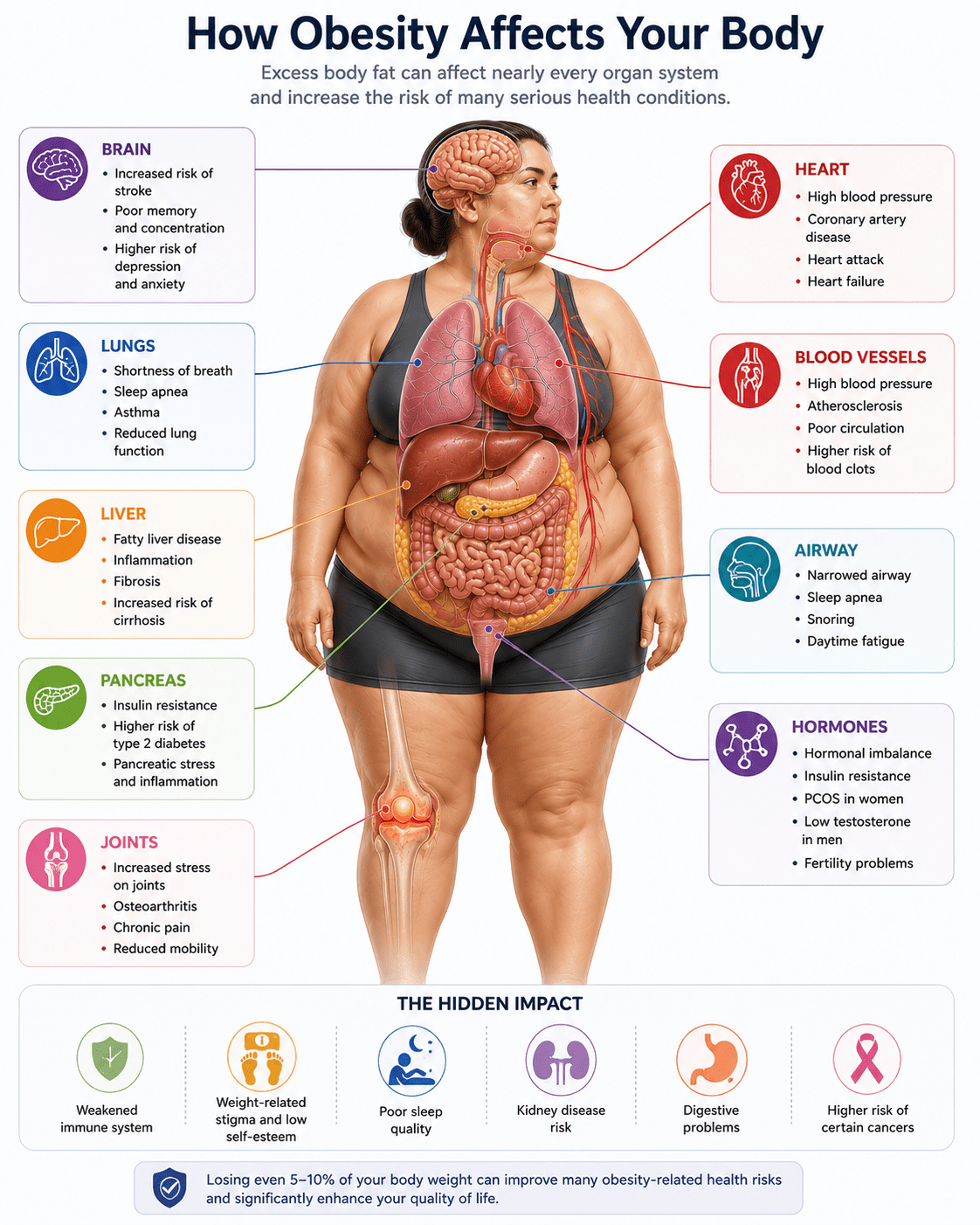
Anatomical map showing how obesity affects the brain, heart, lungs, liver, pancreas, and joints
Obesity-related health impacts across multiple organ systems.

Type 2 Diabetes

Excess visceral fat increases the body's resistance to insulin, the hormone responsible for regulating blood sugar. Over time, the pancreas struggles to keep up with this demand, eventually leading to high blood sugar and Type 2 Diabetes.

Heart Disease & Hypertension

Obesity increases the workload of the heart. Excess weight is strongly linked to High Blood Pressure, which damages artery walls over time, significantly raising the risk of coronary artery disease, heart attack, and heart failure. Managing weight helps reduce this cardiovascular strain.

Fatty Liver Disease

Excess fat buildup in the liver, known as Non-Alcoholic Fatty Liver Disease (NAFLD), is highly prevalent in obesity. If left unmanaged, this can progress to non-alcoholic steatohepatitis (NASH), liver fibrosis, or even cirrhosis. Learn more at our Fatty Liver Disease hub.

Weight Gain
Visceral Fat
Insulin Resistance
High Blood Sugar
Diabetes

Other Complications

The reach of obesity complications is vast:

  • Sleep Apnea: Airway narrowing due to neck fat leads to disrupted breathing and extreme daytime fatigue.
  • Osteoarthritis: Mechanical overload on the knees, hips, and spine accelerates joint cartilage wear.
  • GERD: Increased abdominal pressure pushes stomach acid into the esophagus.
  • PCOS & Infertility: Hormonal imbalances and insulin resistance frequently disrupt reproductive health in both men and women.
  • Mental Health: Higher rates of Depression and Anxiety are observed, often exacerbated by the stigma of obesity.

Obesity and Cancer Risk

Research has established a clear link between obesity and an increased risk of certain cancers, including colon, breast, endometrial, kidney, and liver cancers. Obesity is one of several influential risk factors; focusing on healthy lifestyle markers and regular screening is the most effective approach to risk reduction.

ComplicationCommonSeriousPreventable
Diabetes
Fatty Liver
Sleep Apnea
Heart Disease
Stroke
OsteoarthritisPartly

The good news is that many obesity-related complications can be prevented, delayed, or improved with appropriate treatment and sustainable lifestyle changes.

Explore Treatment Options →

Treatment for Obesity

Obesity treatment is highly personalized. It is rarely a "one-size-fits-all" approach but rather a tiered strategy that may involve lifestyle interventions, behavioral therapy, specialized medical nutrition, medications, or in some cases, bariatric surgery. The primary goal is not just weight loss, but the improvement of metabolic health, mobility, and overall quality of life.

Treatment Goals: The 5–10% Milestone

Successful management is defined by sustainability, not speed. Clinical research consistently shows that a weight reduction of just 5–10% of your body weight can provide significant health benefits, including improved blood pressure, better blood sugar control, and lower cholesterol levels. This is a realistic, achievable first milestone for many individuals.

Treatment pyramid for obesity showing lifestyle and nutrition as the foundation, followed by therapy, medication, and surgery.
The hierarchy of obesity treatment, moving from foundational lifestyle changes to clinical interventions.

The Foundation: Nutrition & Physical Activity

Sustainable weight management begins with the synergy of nutrition and activity.

Healthy plate illustration showing vegetables, lean protein, and whole grains
Icons for walking, swimming, cycling, and strength training

Focus on a balanced nutritional plan that includes high fiber, lean protein, and whole grains while minimizing ultra-processed foods. For physical activity, the WHO recommends at least 150–300 minutes of moderate-intensity aerobic activity per week, complemented by strength training to maintain muscle mass.

Behavioural Therapy

Obesity treatment often requires addressing the psychological relationship with food. Habit formation, mindful eating, and Cognitive Behavioural Therapy (CBT) are powerful tools for managing the emotional triggers associated with eating, helping patients set achievable goals and navigate stress without turning to food.
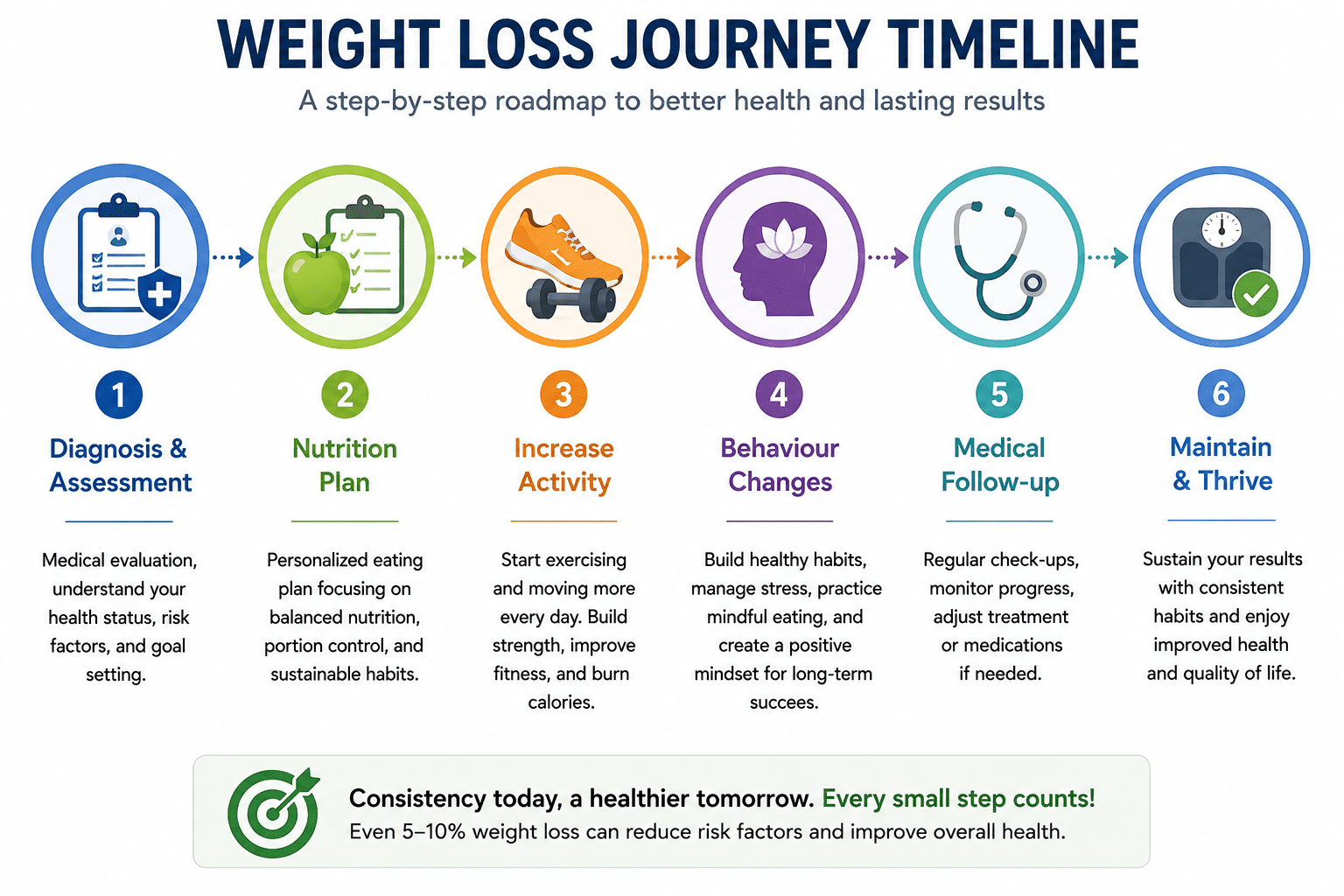
A weight loss journey timeline from initial diagnosis to long-term healthy weight maintenance.

Obesity Medications

For individuals who have not achieved sufficient weight loss through lifestyle changes alone, medications may be an option. Newer classes, such as GLP-1 receptor agonists, work by mimicking hormones that regulate appetite and fullness. Medications must always be taken under medical supervision to monitor for side effects and ensure individualized dosing.

Bariatric Surgery

Bariatric procedures (such as Sleeve Gastrectomy or Gastric Bypass) are often considered for individuals with severe obesity, particularly when accompanied by complications like Diabetes. Surgery is not a passive fix; it is a metabolic intervention that requires a commitment to lifelong nutritional follow-up.
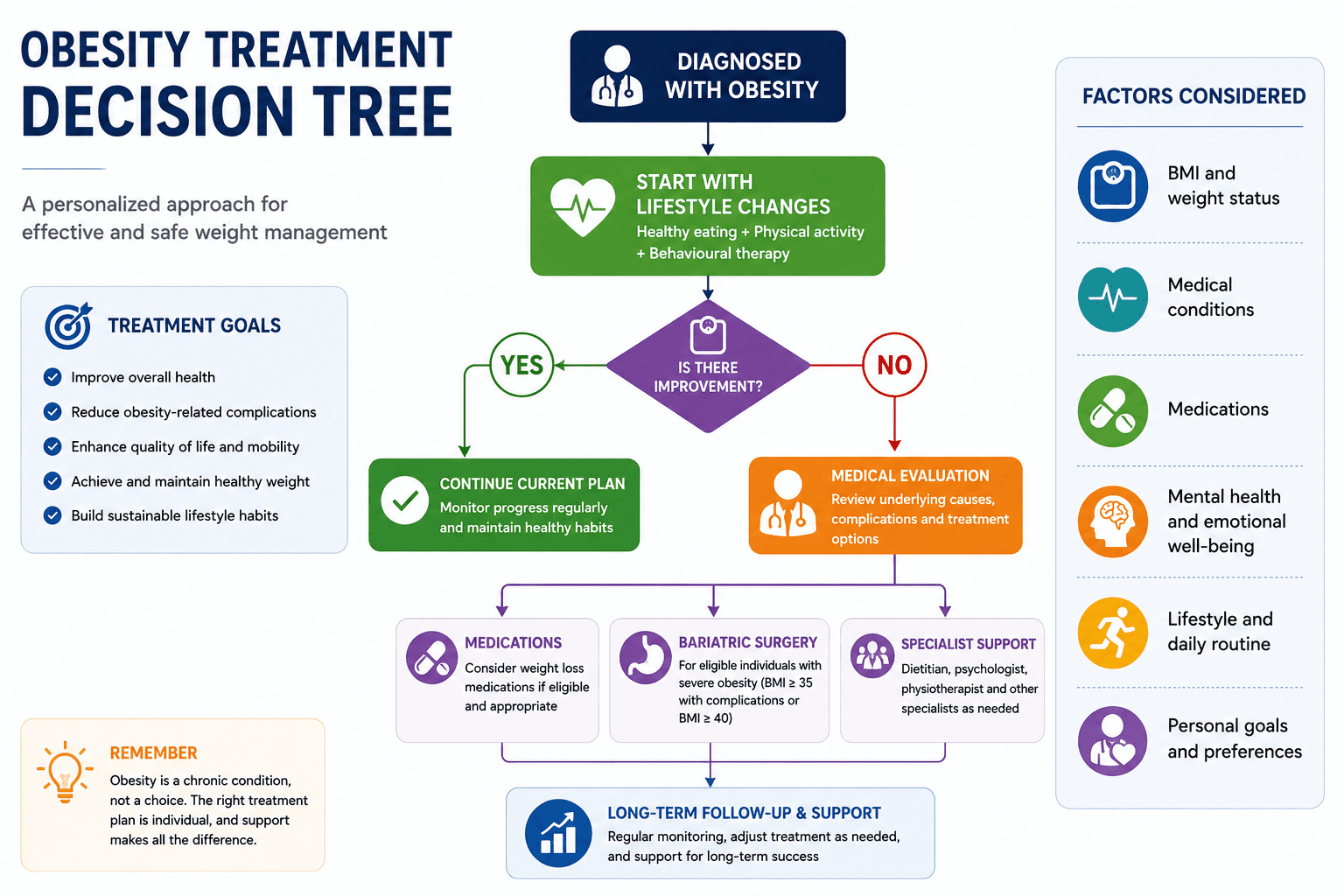
Clinical decision tree for obesity treatment options

Treatment Comparison

TreatmentBest ForConsiderations
Healthy EatingMost individualsRequires consistency
Physical ActivityMost individualsStart gradually
MedicationsSelected candidatesMedical supervision required
Bariatric SurgerySevere obesityRequires lifelong follow-up

Multidisciplinary Care

Obesity management is a team sport. A comprehensive team typically includes a primary care physician, an Endocrinologist, a dietitian, a physiotherapist, and a psychologist to ensure all aspects of the disease are addressed.

Successful obesity treatment is not about finding a quick fix. A combination of healthy habits, medical guidance, and long-term support can significantly improve your health and quality of life.

Find a Specialist Near You →

How Can Obesity Be Prevented?

While some factors—such as genetic predisposition or underlying medical conditions—cannot be altered, obesity is often preventable. Prevention is a lifelong commitment built on consistent, healthy lifestyle habits, early intervention when weight fluctuations occur, and regular health monitoring.

Healthy Eating Habits

The foundation of prevention lies in nutritional awareness. Prioritize a balanced diet centered on whole, unprocessed foods. This includes increasing your intake of fiber-rich vegetables, pulses (dal), whole grains, and lean proteins, which help regulate satiety hormones. Crucially, limiting sugary beverages and ultra-processed snacks—which provide "empty" calories without triggering fullness—is one of the most impactful changes you can make.

Stay Physically Active

Regular movement is essential for energy balance. The goal is to move throughout the day, not just during exercise sessions. Aim for at least 150 minutes of moderate aerobic activity (like brisk walking or swimming) combined with strength training two days a week. Reducing sedentary time by breaking up long hours of sitting can also prevent the metabolic slowdown associated with a sedentary lifestyle.

Maintain a Healthy Weight Through Monitoring

Prevention requires awareness. Monitor your body weight periodically, but do not rely on the scale alone. Checking your waist circumference and BMI regularly helps you recognize early, unintended weight gain before it becomes difficult to manage. Being proactive allows for simple, small adjustments in diet or activity before they need to become significant lifestyle overhauls.

Read Labels: Check for hidden sugars and sodium.

Cook at Home: Better control over ingredients and oil.

Stay Hydrated: Water often replaces unnecessary caloric intake.

Limit Alcohol: Alcohol is calorie-dense and slows metabolism.

Quality Sleep & Stress Management

Sleep is a vital health pillar. Less than 7 hours of quality sleep disrupts appetite-regulating hormones, often leading to increased cravings for carbohydrates the next day. Furthermore, chronic stress raises cortisol, which encourages the body to store fat. Incorporating relaxation techniques—whether it’s meditation, yoga, or simply stepping away from screens—can help stabilize these hormones.

Regular Health Checkups

Preventive screening is key to catching metabolic issues early. Regular checks for blood pressure, fasting blood sugar, cholesterol, and thyroid function allow you to act on a medical imbalance before it leads to obesity or other chronic complications. Early detection is a powerful preventive strategy.

Preventing Childhood Obesity

Prevention often starts in the home. Positive parental role modeling—eating healthy family meals, prioritizing active play over screen time, and ensuring school lunches are nutritious—establishes life-long habits. Addressing rapid weight gain in childhood is crucial, as childhood obesity often tracks into adulthood.

Can Obesity Be Prevented Completely?

Not always. Factors such as genetics, certain medical conditions, and systemic environmental barriers mean some individuals face a higher risk that lifestyle changes alone cannot fully mitigate. However, early intervention is always beneficial. Regardless of your baseline risk, lifelong healthy habits and clinical monitoring remain the most effective ways to maximize health and minimize complication risks.

Key Takeaways

  • Eat a balanced, whole-food diet and practice portion control.
  • Prioritize daily movement beyond structured exercise.
  • Target 7–8 hours of quality sleep nightly to regulate appetite.
  • Manage stress to keep cortisol and emotional eating in check.
  • Monitor your health regularly through standard blood screenings.
  • Seek professional advice immediately if weight gain becomes persistent.

Living With Obesity

Living with obesity is a long-term journey that requires consistency, patience, and compassion for oneself. While it is a chronic condition, it does not define you as a person. With a personalized support system, sustainable healthy habits, and regular medical care, many people successfully manage their health, reduce the risk of complications, and enjoy a fulfilling, active life.

Setting Realistic Goals

The most successful health transformations are built on gradual, sustainable progress rather than rapid changes. Instead of chasing a perfect number on a scale, focus on health-based markers: increased energy, better mobility, improved blood sugar, or consistent daily habits. Celebrate small milestones—like choosing a healthy snack or consistently walking for 15 minutes—because these small wins build the momentum needed for long-term maintenance.

Building Healthy Daily Habits

Habits are the infrastructure of your health. Consistency is more valuable than intensity. Simple strategies include planning meals ahead of time to avoid impulsive eating, keeping a reusable water bottle handy, and establishing a regular sleep routine. By integrating these habits into your life, they eventually require less "willpower" and become your natural way of living.

Managing Emotional Wellbeing

Body image and self-esteem are real health factors. If you feel overwhelmed, anxious, or notice signs of emotional eating, please seek professional support. Counselling can be a transformative part of your health team.

Staying Motivated

Track your progress using non-scale victories—how your clothes fit, your blood pressure numbers, and how much energy you have. Learn from setbacks rather than judging them; consistency, not perfection, is the goal.

Family & Social Support

Involve your family in healthy meal planning. A supportive home environment makes healthy choices the "default" option for everyone, reducing social friction.

Working With Your Healthcare Team

You are the leader of your health journey, but your medical team provides the navigation. Regular follow-ups with your Endocrinologist or primary physician are essential to monitor metabolic markers like blood sugar and cholesterol. Dietitians can help tailor your nutrition, while physiotherapists can provide safe exercise progressions, especially if you are managing joint-related issues.

Long-Term Weight Maintenance

The "maintenance" phase is where many people feel the most pressure, but it is also the most rewarding. Preventing weight regain is easier when you view your healthy habits as a permanent shift in lifestyle rather than a temporary fix. Continue your regular medical checkups, prioritize your sleep hygiene, and remain honest with your healthcare team about any changes in your energy or health status.

A Final Word: Obesity is a condition you manage, not a failure of character. You have the power to improve your wellbeing, one small, consistent change at a time. Many people live healthy, active, and fulfilling lives by prioritizing their health every single day.

Frequently Asked Questions

Common questions about obesity, weight management, and clinical care. If you need personalized medical advice, please consult a specialist.

What is obesity?

Obesity is a chronic metabolic disease characterized by excess body fat. It is diagnosed when fat accumulation poses a risk to health, typically defined by a BMI of 30 or higher.

Is obesity a disease?

Yes, major medical organizations classify obesity as a chronic disease because it involves complex metabolic, hormonal, and environmental dysfunctions that require long-term medical care.

What causes obesity?

Obesity is multifactorial. Key drivers include a chronic energy imbalance, genetics, hormonal disorders, medications, sleep deprivation, stress, and environmental factors like food availability.

Can obesity be reversed?

Yes, in many cases, the health impact of obesity can be reversed through significant, sustained lifestyle changes, medical treatment, or surgical intervention under clinical guidance.

What BMI is considered obese?

A BMI of 30 or higher is globally classified as obesity. For Indian populations, due to higher risks of visceral fat at lower weights, doctors often consider a BMI of 25 or higher as an indicator of obesity.

How can I lose weight safely?

Safe weight loss involves a balanced caloric deficit, increased physical activity, and behavioral changes. Always consult a dietitian or endocrinologist before starting a new regimen.

Which doctor treats obesity?

Obesity is typically treated by Endocrinologists, Bariatric Physicians, or specially trained primary care physicians who focus on metabolic health.

Does obesity cause diabetes?

Obesity is a primary risk factor for Type 2 Diabetes. Excess fat creates insulin resistance, forcing the pancreas to work harder until it can no longer maintain normal blood sugar levels.

Is obesity genetic?

Genetics play a major role in susceptibility, but they do not determine your destiny. Many people with a genetic predisposition can achieve a healthy weight through long-term lifestyle management.

Can children develop obesity?

Yes, childhood obesity is rising. It is often linked to family habits, limited physical play, and dietary patterns. It requires early, compassionate intervention to prevent long-term health risks.