What is diabetes? A clear overview
One of the most common health conditions in India — and one of the most misunderstood. This medically reviewed overview explains the condition, its main types, and how it affects the body, in plain language.
Diabetes is a long-term condition in which blood sugar (glucose) stays higher than normal because the body either doesn't make enough insulin or can't use it well. The main types are type 1, type 2, and gestational diabetes. It can't usually be cured, but it can be managed — and type 2 is often preventable.
Cure.Care may earn a commission from some links on this page, at no extra cost to you. This never influences our editorial content or medical review. Learn more.
What is diabetes?
Diabetes is a long-term condition where the level of sugar (glucose) in your blood stays too high. It happens when the body either can't make enough insulin, or can't use it properly — so sugar builds up in the blood instead of fuelling your body.
Glucose and insulin, in plain terms
Almost everything you eat that contains carbohydrate — rice, roti, fruit, sugar — is broken down into glucose, a simple sugar that travels in your blood and powers every cell. To get out of the blood and into your cells, glucose needs insulin, a hormone made by the pancreas. Think of insulin as a key that unlocks each cell so glucose can enter and be used for energy.
In diabetes, that key system fails in one of two ways: the body stops making enough insulin, or the cells stop responding to it (called insulin resistance). Either way, glucose can't get in — so it piles up in the bloodstream while your cells go hungry.
What "too high" actually means
Doctors use a few simple blood tests with clear cut-offs. These are the most common reference points:
These are general reference ranges. Only a doctor can diagnose diabetes, usually by repeating a test or combining results. You can convert an HbA1c result to average blood sugar with our free tool.
Prediabetes: the warning stage
Before type 2 diabetes, most people pass through prediabetes — blood sugar that's higher than normal but not yet in the diabetes range. It usually has no symptoms, which is why it's so often missed. The good news: prediabetes is frequently reversible. Losing a little weight, moving more and eating better can bring blood sugar back to normal and delay or prevent diabetes entirely.
Figures are approximate, based on large Indian health surveys (ICMR–INDIAB). Replace with the exact cited statistic before publishing.
The encouraging truth is that diabetes is highly manageable, and type 2 is often preventable. Understanding what's happening inside your body is the first step — so let's look at exactly how the body turns food into energy, and where that process breaks down.
Four things worth knowing about diabetes
Before the details, here are the four facts that change how most people think about diabetes. Tap any card to learn more.
The big picture: diabetes is common and often silent — but it's also manageable and, for type 2, often preventable. That combination is exactly why catching it early is so powerful.
Figures are approximate, drawn from large Indian and global health surveys. Confirm and cite exact statistics before publishing.
Watch how your body turns food into energy
Press play and watch the journey of sugar through your body. Switch to "In diabetes" to see exactly where it goes wrong — no medical knowledge needed.
The journey in five steps:
- Food becomes sugar. Carbohydrates break down into glucose.
- Sugar enters the blood. Blood sugar rises after eating.
- The pancreas releases insulin — the key that opens your cells.
- Insulin unlocks the cell. In a healthy body the door opens; in diabetes it stays shut.
- The cell uses sugar for energy — or, in diabetes, sugar stays stuck in the blood and harms the body over time.
What are the symptoms of diabetes?
The most common signs are increased thirst, frequent urination, tiredness, blurred vision, slow-healing wounds and unexplained weight loss. Type 2 diabetes often causes no symptoms for years — which is why knowing the early signs matters.
Excessive thirst
You feel thirsty even just after drinking. High blood sugar pulls water from your body to flush out the extra sugar — leaving you dehydrated.
Frequent urination
You pass urine often, especially at night. The kidneys filter out the extra sugar and pull large amounts of water with it.
Constant tiredness
You feel drained even after rest. When sugar can't get into your cells for energy, your whole body is left running on empty.
Blurred vision
Vision goes blurry, then clears. High blood sugar draws fluid into the eye's lens and changes its shape, so it can't focus properly until levels settle.
Increased hunger
You feel hungry soon after eating. Because sugar can't enter the cells, they keep signalling the brain that they're starving — so the hunger doesn't switch off.
Unexplained weight loss
You lose weight without trying. When cells can't use sugar, the body starts burning its own fat and muscle for fuel instead — and the weight drops.
Slow-healing wounds
Cuts and sores take a long time to heal, especially on the feet. High sugar slows blood flow and the body's natural repair process.
Tingling or numbness
Pins-and-needles or numbness in the hands or feet. Over time, high blood sugar can damage the small nerves — often one of the first longer-term signs.
Frequent infections
Skin, gum or urinary infections that keep coming back, because high blood sugar weakens the body's natural defences against germs.
Dark skin patches
Velvety dark patches, often on the neck or armpits (called acanthosis nigricans). They're closely linked to insulin resistance.
Symptoms vary from person to person, and many people with type 2 diabetes feel completely normal at first. If you have risk factors, a simple blood sugar test is the only sure way to know — see how it's diagnosed.
What causes diabetes?
Diabetes comes down to insulin. In type 1, the immune system stops the body making it. In type 2 — by far the most common — the body slowly stops responding to insulin, usually from a mix of genes, weight, diet and activity. There's rarely a single cause; risk factors add up over time.
- Excess weight, especially around the waist — the strongest single factor for type 2.
- Low physical activity and long hours of sitting.
- A diet high in refined carbs — white rice, sugar, sweets and fried snacks.
- Smoking and heavy alcohol use.
- Ongoing stress and poor sleep, which both affect blood sugar.
- Family history — a parent or sibling with diabetes.
- Age — risk rises after 35–40.
- South Asian ethnicity — Indians develop it earlier, at lower body weights.
- Past gestational diabetes during a pregnancy.
- PCOS or a history of high blood pressure.
Notice that the strongest, most common risk factors sit on the left — the side you can influence. That's exactly why type 2 diabetes is so often preventable.
Why diabetes is so common in India
Indians face a higher risk of type 2 diabetes than many other populations — and often develop it younger, and at lower body weights. A few reasons stand out:
Understanding your risk is the first step to lowering it. Next, see exactly how diabetes is diagnosed — and the simple blood tests that confirm it.
What happens if blood sugar stays high?
When blood sugar stays high for years, it slowly damages blood vessels and nerves — which can affect several parts of the body. The reassuring part: keeping blood sugar, blood pressure and cholesterol in a healthy range prevents or delays most of these.
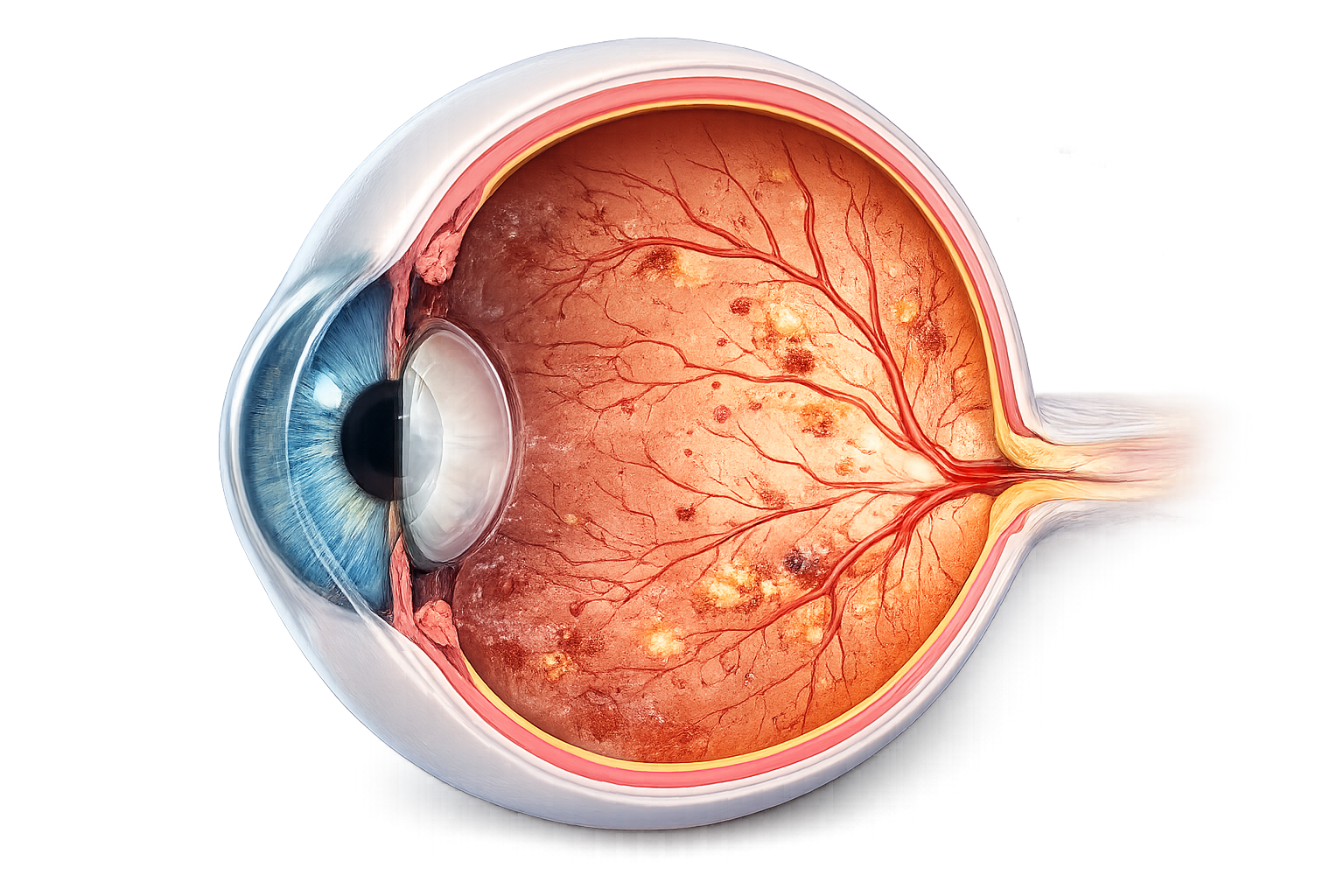
Eyes
High sugar can damage the tiny blood vessels in the retina (diabetic retinopathy), causing blurred vision and, if untreated, vision loss. Regular eye checks catch it early.
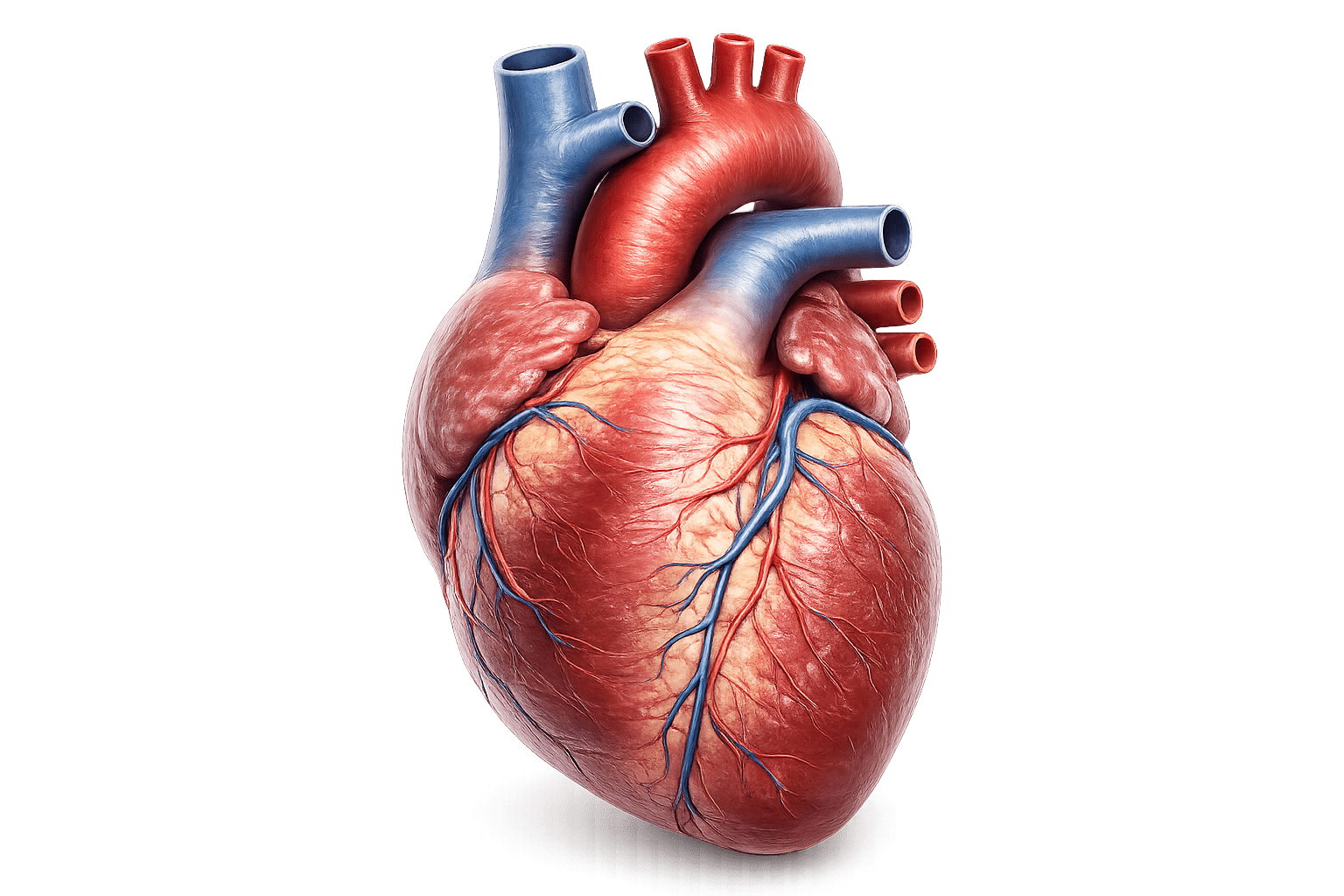
Heart & vessels
Diabetes raises the risk of heart disease, high blood pressure and stroke. It's the most serious long-term risk — and the most preventable with good control.
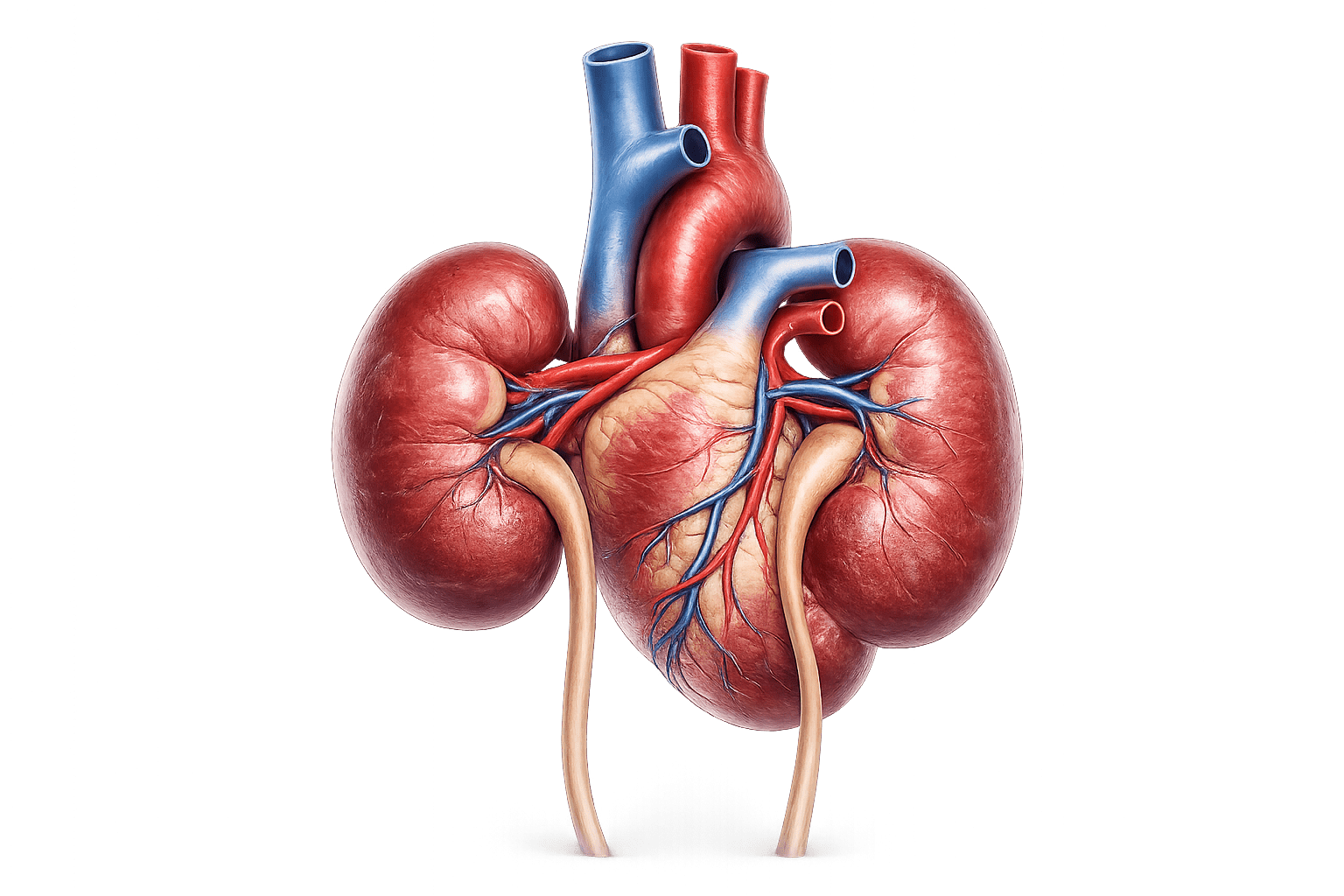
Kidneys
The kidneys filter your blood through delicate vessels. High sugar can damage them over time (diabetic nephropathy), reducing kidney function. A simple urine test monitors this.
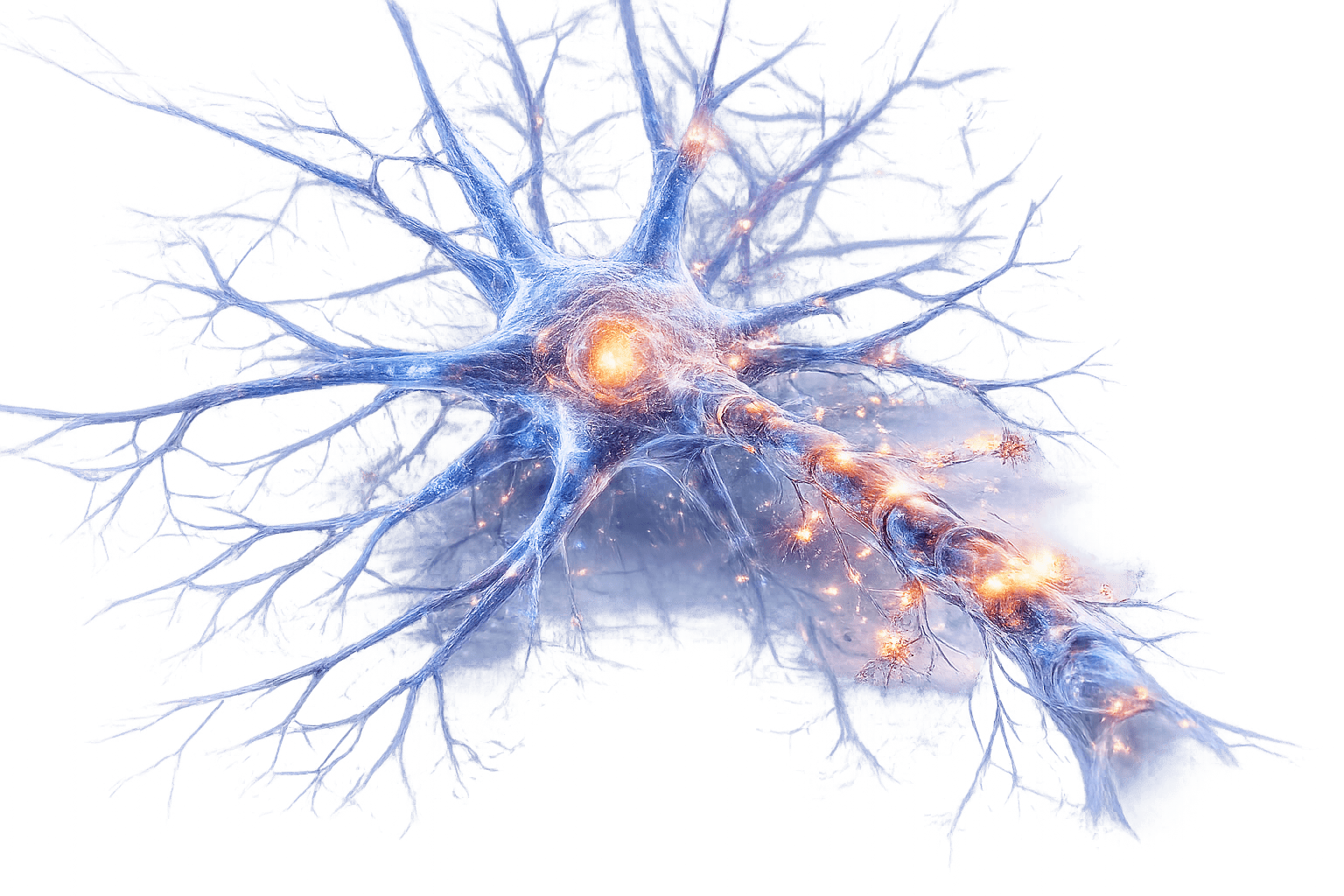
Nerves
High sugar can injure nerves (diabetic neuropathy), causing tingling, numbness or pain — usually starting in the feet and hands. Good control slows or prevents it.
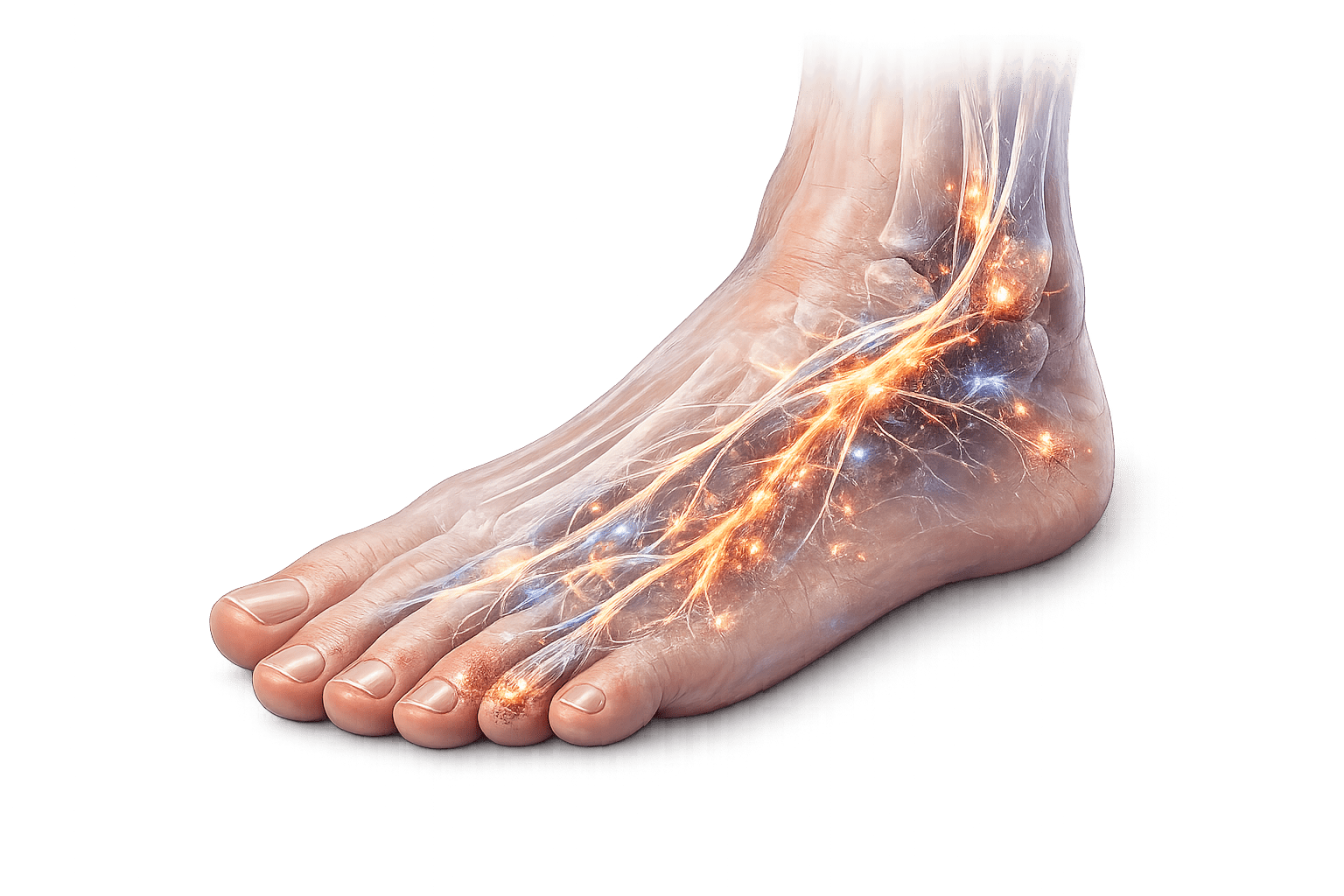
Feet
Poor circulation and nerve damage mean small cuts heal slowly and can go unnoticed. Daily foot checks and good footwear prevent serious problems.
The good news
None of this is inevitable. These complications build up over years — and managing blood sugar well, with regular check-ups, prevents or greatly delays the large majority of them.
Worried about your numbers? The next step is understanding how diabetes is diagnosed and monitored — so high blood sugar is caught and managed early.
The main types of diabetes
There are three main types. They have different causes, but all lead to the same core problem — too much sugar in the blood.
Type 1 diabetes
An autoimmune condition where the body's own defences attack the insulin-making cells, so little or no insulin is produced. Not caused by lifestyle.
- Usually startsIn childhood or young adulthood
- Main treatmentInsulin, for life
- Preventable?No — but very manageable
Type 2 diabetes
The body still makes insulin but can't use it well (insulin resistance), and over time makes too little. The most common type — and increasingly seen in younger people.
- Usually startsIn adults, but now younger too
- Main treatmentLifestyle + medication if needed
- Preventable?Often yes, in high-risk adults
Gestational diabetes
High blood sugar that develops during pregnancy, usually in the second half. It typically goes away after delivery, but raises the future risk of type 2.
- Usually startsMid-pregnancy
- Main treatmentDiet, monitoring, sometimes insulin
- After deliveryUsually resolves; needs follow-up
There are also less common forms, such as prediabetes (the warning stage before type 2), LADA and MODY. If you're unsure which type applies, a doctor can confirm it with simple tests.
How is diabetes diagnosed?
Diabetes is confirmed with simple blood tests that measure your sugar level. A doctor usually repeats a test, or combines two, before making a diagnosis. Here are the four common tests and what the numbers mean.
Fasting blood sugar
After 8 hours without food (FBS)HbA1c
Your 3-month average sugarPost-meal sugar
2 hours after eating (PPBS)Glucose tolerance test
Sugar drink, then measured (OGTT)These are standard reference ranges — your doctor interprets them alongside your symptoms and history. Confused by a result? You can convert HbA1c to average blood sugar with our free tool, then see the treatment options.
How is diabetes treated and managed?
There's no single pill that fixes diabetes — it's managed day to day. Treatment rests on four pillars that work together. For many people with type 2, lifestyle changes alone make a big difference; others also need medication. Your doctor tailors the plan to you.
Eat smart
Balanced meals with more vegetables, dal, whole grains and protein — and less white rice, sugar and fried food. It's about portions and balance, not starving.
Stay active
Even a 30-minute daily walk helps your body use insulin better. Regular movement lowers blood sugar and supports healthy weight.
Monitor regularly
Checking blood sugar at home, plus periodic HbA1c tests, shows whether your plan is working — and helps catch problems early.
Medication when needed
If lifestyle isn't enough, doctors prescribe tablets (like metformin) or insulin. Type 1 always needs insulin. Always take medicines exactly as advised.
The right plan is personal. A doctor or diabetes specialist can build one around your type, lifestyle and other conditions — see how to prevent or delay it, or find a specialist near you.
The good news: type 2 is often preventable
This is the most hopeful part. Large studies show that in high-risk adults, simple lifestyle changes can delay or prevent type 2 diabetes — often more effectively than medication. Even if you already have it, the same habits help you manage it well.
Diabetes can be managed, and type 2 can often be prevented. With the right habits and regular check-ups, most people live long, full and active lives — diabetes does not have to define your future.
Eat a balanced plate
Fill half your plate with vegetables and dal, add whole grains and protein, and cut back on white rice, sugar and fried snacks. Small, steady changes beat crash diets.
Move every day
Aim for about 30 minutes of activity most days — a brisk walk counts. Regular movement helps your body use insulin and keeps weight in check.
Reach a healthy weight
Losing even 5–7% of body weight sharply lowers the risk of type 2 — one of the most powerful preventive steps you can take, especially with abdominal fat.
Check your numbers
If you're over 35 or have risk factors, get your blood sugar checked. Catching prediabetes early is the best chance to reverse it before it becomes diabetes.
Not sure where you stand? Take our free 2-minute risk check, or read the full diabetes prevention guide.
When should you see a doctor?
You don't need to wait for something to feel wrong. Because diabetes is often silent, a timely check is the smartest move — especially if any of these apply to you.
- You notice symptoms like constant thirst, frequent urination, unusual tiredness or blurred vision.
- You're over 35, or have a parent or sibling with diabetes.
- You carry extra weight around the waist, or have high blood pressure or PCOS.
- You had gestational diabetes in a past pregnancy, or a prediabetes result before.
- You already have diabetes and your readings, diet or medication need a review.
An endocrinologist or a physician can confirm your status with a simple test and guide your next steps. Early action makes management far easier.
Frequently asked questions
What causes diabetes?
Diabetes is caused by problems with insulin — the hormone that controls blood sugar. In type 1, the immune system stops insulin being made. In type 2, the body slowly stops responding to insulin, usually from a mix of genes, excess weight, diet and low activity.
Can diabetes be cured?
There's no permanent cure, but diabetes can be managed very well. Type 1 needs lifelong insulin. Type 2 can sometimes go into remission with weight loss and lifestyle changes, though it can return — so ongoing care matters.
What are the early signs of diabetes?
Common early signs include increased thirst, frequent urination, unusual tiredness, blurred vision, increased hunger and slow-healing wounds. Type 2 can also develop with no clear symptoms for years.
Is type 2 diabetes preventable?
In many high-risk adults, yes — type 2 can be delayed or prevented. Losing excess weight, staying active, eating a balanced diet and not smoking all lower the risk significantly.
What is the normal blood sugar range?
A fasting blood sugar below 100 mg/dL is generally normal; 100–125 suggests prediabetes; 126 or higher on two tests suggests diabetes. Your doctor reads these alongside HbA1c and your overall health.
Can I eat sugar if I have diabetes?
You don't have to avoid sugar completely, but it should be limited. The bigger focus is on overall carbohydrate quality and quantity across the day. A doctor or dietitian can help you plan a balanced diet.
Sources & references
- World Health Organization. Diabetes — Fact Sheet. WHO, 2024. who.int
- Indian Council of Medical Research. ICMR–INDIAB National Study on diabetes prevalence in India. ICMR, 2023. icmr.gov.in
- National Institute of Diabetes and Digestive and Kidney Diseases. Diabetes Overview. NIDDK / NIH, 2024. niddk.nih.gov
- Centers for Disease Control and Prevention. About Diabetes & Prevention. CDC, 2024. cdc.gov
Replace or expand these with the exact sources and access dates used in the final published article.
This content is for informational purposes only and is not a substitute for professional medical advice, diagnosis, or treatment. Always consult a qualified doctor with any questions about a medical condition. Read our full Medical Disclaimer and Editorial Policy.